Why Do My Eyes Feel Dry and Tired? Causes and What Helps
Independent guide · affiliate disclosure: RetinaClear.com is an independent publisher, not the manufacturer or seller. Some links on this page are affiliate links and we may earn a commission — at no extra cost to you — if you buy through them. This article is general information, not medical advice.
| The problem | Dry, tired eyes usually mean your tear film is thin, unstable or evaporating too fast — not that anything is seriously wrong. |
| Top causes | Long screen sessions (fewer blinks), dry or air-conditioned air, dehydration, poor sleep, contact lenses and age-related tear changes. |
| Fastest relief | Blink fully, take screen breaks, hydrate, and add moisture to dry rooms. |
| Longer-term support | Omega-3s, a nutrient-rich diet and a steady daily routine that keeps the tear film healthy. |
| Beyond dryness | Dryness with real pain, marked light sensitivity, a change in vision or thick discharge is not simple dry eye and should be examined. |
| Call emergency services | Sudden blurring or double vision alongside headache, weakness, facial droop or slurred speech can be a stroke. |
| Same-day eye assessment | Sudden loss of vision, a dark curtain or shadow across your sight, a burst of new flashing lights, a sudden shower of floaters, or severe eye pain. |
| Also urgent | Any blow to the eye, a penetrating injury or a chemical splash. Irrigate a chemical splash with clean water immediately, then get help. |
| Not a supplement question | None of the above is treated by a dietary supplement. RetinaClear is not a treatment, drug or cure for macular degeneration, glaucoma, cataract, diabetic retinopathy or any other eye disease. |
What "dry and tired" eyes actually are
If your eyes feel dry, gritty, heavy or slow to focus — especially by the afternoon — the culprit is almost always your tear film. That is the thin, three-layer coating of water, oil and mucus that keeps the front surface of the eye smooth, clear and comfortable. When the tear film is healthy, you barely notice it. When it thins out, becomes unstable or evaporates too quickly, the surface of the eye is left exposed, and your brain reads that as dryness, burning, grittiness and fatigue.
The reassuring part is that for most people, dry and tired eyes are a comfort problem driven by everyday habits and environment, not a sign of lasting harm. The frustrating part is that the same modern lifestyle — screens, air conditioning, short nights — hits several of the causes at once. Understanding why your eyes feel dry and tired is the first step to fixing it, so let us walk through the usual suspects.
Why your eyes feel dry and tired: the common causes
1. Screens and a dropped blink rate
This is the single biggest modern cause. When you concentrate on a screen, your blink rate can fall by roughly half, and many of the blinks you do make are incomplete. Because blinking is what spreads a fresh layer of tears across the eye, fewer and shallower blinks let the surface dry out between them. Add small text and glare, which make the focusing muscles work harder, and you get the familiar end-of-day combination of dryness and tiredness. Our detailed guide on how to reduce eye strain from screens covers the fixes in depth.
2. Dry air, heating and air conditioning
Tears evaporate faster in dry, moving air. Air-conditioned offices, forced-air heating, ceiling fans, car vents aimed at your face and aeroplane cabins all strip moisture from the eye surface. If your eyes feel worst in a particular room or season, the air is very likely part of the story.
3. Dehydration
The watery layer of the tear film comes from your body's overall hydration. When you are under-drinking — easy to do on a busy day fuelled by coffee — tear volume can drop, leaving eyes dry and scratchy. Hydration is one of the simplest and most overlooked levers for eye comfort, and it ties directly into the wider role of nutrition and eye health.
4. Poor or short sleep
Your eyes do much of their surface repair and rehydration overnight. Cut sleep short and you start the day with a tear film that has not fully recovered, which is why tired eyes and tired bodies so often arrive together. Sleeping in a very dry room, or with eyes not fully closed, can make morning dryness worse.
5. Contact lenses
Contacts sit on the tear film and can disrupt it, absorbing moisture and reducing oxygen to the surface. Long wear times, especially combined with screens, are a classic recipe for dryness. Giving your eyes lens-free days and following your optometrist's wear schedule helps.
6. Age and hormonal changes
Tear production naturally tends to decline with age, and hormonal shifts — particularly around menopause — can reduce tear quality and quantity. This is part of the broader pattern of age-related vision changes after 40, and it means the same habits that were fine at 25 may need reinforcing later.
7. Medications and health conditions
Some common medications — certain antihistamines, decongestants, antidepressants and blood-pressure drugs — list dry eyes as a side effect. Underlying conditions can also play a role. This is exactly why persistent or unexplained dryness deserves a professional assessment rather than guesswork.
Give tired eyes daily nutrient support
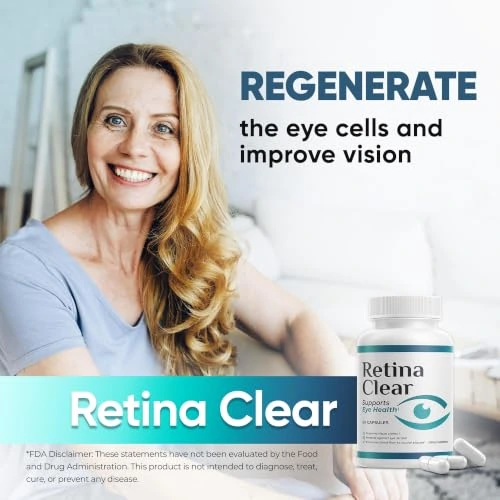
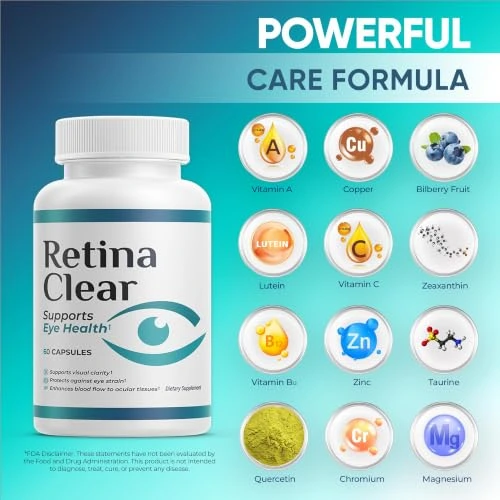
RetinaClear pairs lutein, zeaxanthin and bilberry with a full spectrum of vision vitamins and minerals in one simple daily capsule — a steady foundation for comfortable, everyday eyes, backed by a 60-day money-back guarantee.
See RetinaClear PackagesWhat actually helps dry, tired eyes
The good news is that most everyday dryness responds well to a handful of changes. Stack a few of these together and comfort usually improves within days.
Blink fully and take breaks
Make a conscious effort to blink completely during focused work, and use the 20-20-20 rhythm: every 20 minutes, look about 20 feet away for 20 seconds. This both rests the focusing muscles and prompts a few restorative blinks.
Fix the air around you
Point vents and fans away from your face, use a humidifier in dry rooms, and take screen work near a window when you can. Small environmental tweaks often outperform any product.
Hydrate steadily
Sip water through the day rather than relying on a couple of big drinks. If you lean heavily on coffee, balance it with water. Hydration supports both tear volume and general alertness — two things dry, tired eyes are short of.
Consider lubricating drops
Preservative-free artificial tears can top up the tear film when the surface still feels parched after habit changes. They soothe symptoms rather than treat a cause, so pair them with the changes above.
Feed the tear film
Omega-3 fats from oily fish are widely studied for their role in supporting a healthy, stable tear film, and antioxidant nutrients help protect the delicate surface tissues from oxidative stress. This is where a nutrient-first daily routine earns its place. A formula like RetinaClear supplies lutein, zeaxanthin, bilberry and a broad vision blend as a steady foundation — not a quick fix, but the kind of consistent support these tissues rely on. For more on building the habit, see our guide to daily habits to protect your eyesight naturally.
When dry, tired eyes need a professional
Habits and nutrition handle everyday dryness, but some signs deserve a proper eye. Book an appointment if your symptoms are persistent, painful or one-sided; if you notice redness, discharge, light sensitivity or blurred vision that clears when you blink; or if simple changes bring no relief after a couple of weeks. Chronic dry eye is a recognised, treatable condition, and an eye-care professional can look at tear quality and rule out other causes. Anything sudden, severe or worsening should always be checked promptly.
One capsule, a full vision blend
Support comfortable, everyday eyes with lutein, zeaxanthin and a full-spectrum vision formula — made in the USA in an FDA-registered, GMP-certified facility. Best value on the multi-bottle packs.
Order RetinaClear Today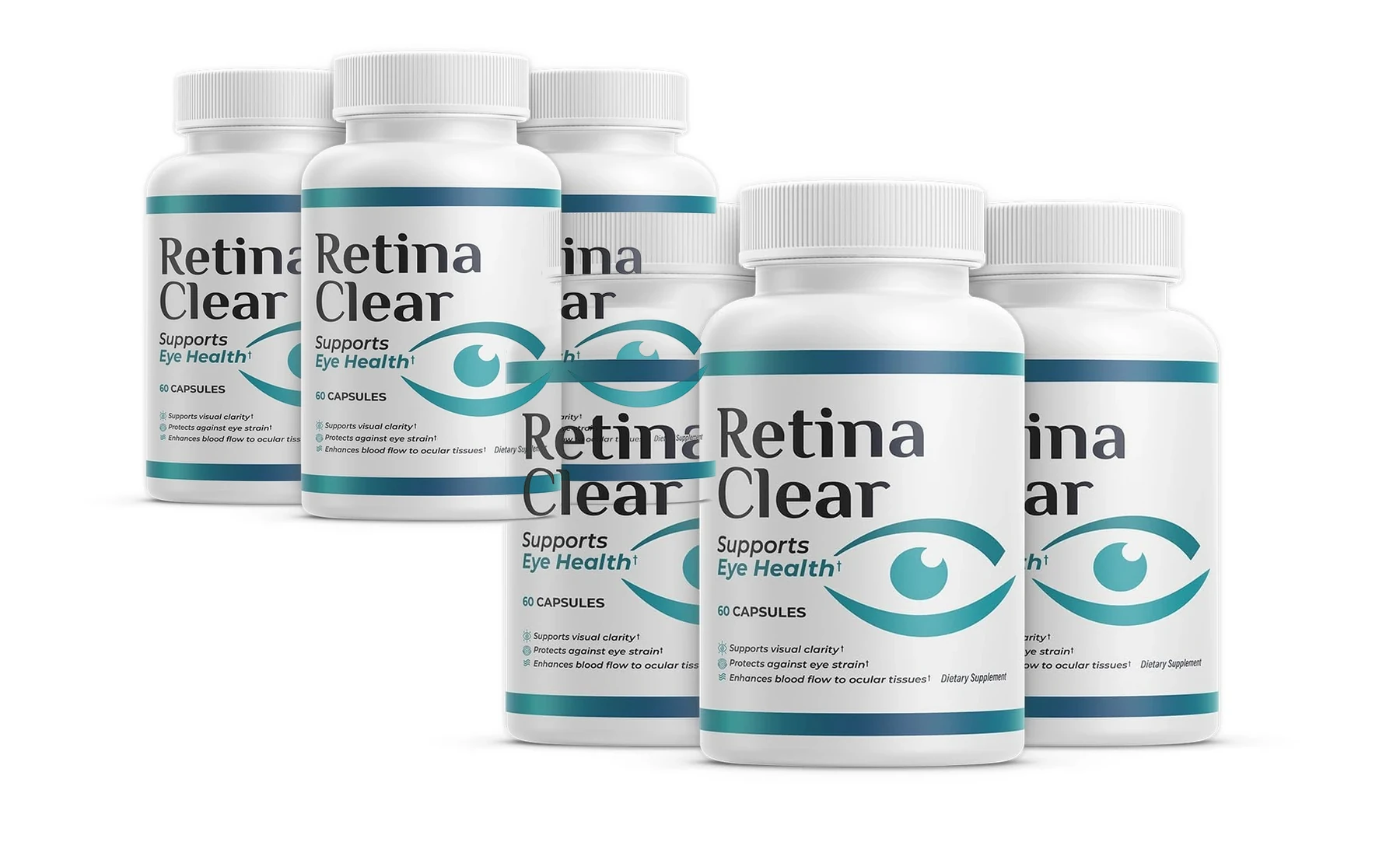
| Who we are | An independent team that researches and reviews everyday eye-health questions in plain, practical language. |
| How we work | Every guide is fact-checked against reputable eye-care sources and kept up to date. Read more about us. |
What the research says about dry, tired eyes
Dry eye disease is formally defined as a multifactorial disease of the ocular surface in which loss of tear-film homeostasis is the central feature — which is why it produces tiredness and grittiness rather than one clean symptom.
That definition comes from the TFOS DEWS II Definition and Classification Report, the reference document for the condition (PMID 28736335). Its companion, the DEWS II Diagnostic Methodology report, sets out how clinicians actually measure it, from symptom questionnaires to tear osmolarity and tear break-up time (PMID 28736342) — useful context if you have ever been told your eyes “look fine” while feeling nothing of the sort.
Modern life makes it worse in a specific, documented way. The TFOS Lifestyle report on the impact of the digital environment on the ocular surface covers reduced blinking during screen work and its effect on tear-film stability (PMID 37062428), which is the mechanism behind most office-hours dryness.
The same unstable film shows up in other complaints: it explains why eyes water so much when they are dry, why bright rooms are harder to tolerate in why your eyes are sensitive to light, and the smeary start described in blurry vision in the morning.
FAQ
Why do my eyes feel dry and tired every day?
Daily dry, tired eyes usually come from a reduced or unstable tear film — driven by long screen sessions that cut your blink rate, dry indoor air, contact lenses, dehydration, poor sleep, or age-related changes in the tear glands. Most cases ease with better habits, though persistent symptoms should be checked by an eye-care professional.
Can dehydration make your eyes feel dry?
Yes. The tear film is mostly water, so under-drinking can reduce tear volume and leave eyes feeling dry and gritty, especially in warm or air-conditioned rooms. Steady hydration through the day is a simple first step.
Do omega-3s help with dry, tired eyes?
Omega-3 fats from oily fish or supplements are widely studied for their role in supporting a healthy, stable tear film. Many people include them as part of a broader routine alongside blinking breaks, hydration and managing dry air.
Is it screen use or something else?
Screens are the most common everyday trigger because they cut your blink rate, but dry air, dehydration, sleep, contacts, medications and age can all contribute at the same time. Try the simple fixes first; if dryness persists, a professional can pinpoint the cause.
When should I see a professional about dry eyes?
See an eye-care professional if dryness is persistent, painful, one-sided, comes with redness, discharge or light sensitivity, or does not improve with simple habit changes. These can signal conditions that need proper assessment.
References
- TFOS DEWS II Definition and Classification Report (The Ocular Surface, 2017 · PMID 28736335)
- TFOS DEWS II Diagnostic Methodology report (The Ocular Surface, 2017 · PMID 28736342)
- TFOS Lifestyle: Impact of the digital environment on the ocular surface (The Ocular Surface, 2023 · PMID 37062428)
- National Eye Institute — Dry Eye
- NIH Office of Dietary Supplements — Vitamin A and Carotenoids fact sheet
- American Academy of Ophthalmology. “Dry Eye” and “Computers, Digital Devices and Eye Strain.” aao.org.
- American Optometric Association. “Dry Eye.” aoa.org.
- National Eye Institute. “Dry Eye.” nei.nih.gov.
- TFOS DEWS II Report. “Tear Film and Ocular Surface Society Dry Eye Workshop.” The Ocular Surface.
† These statements have not been evaluated by the Food and Drug Administration. This product is not intended to diagnose, treat, cure or prevent any disease. This article is for general information only and is not medical advice; consult a qualified eye-care professional about your individual needs.