Best Foods for Eye Health and Vision: A Simple Everyday Guide
Independent guide · affiliate disclosure: RetinaClear.com is an independent publisher, not the manufacturer or seller. Some links on this page are affiliate links and we may earn a commission — at no extra cost to you — if you buy through them. This article is general information, not medical advice.
| The short answer | The best foods for eye health are colourful and varied — leafy greens, orange and yellow vegetables, oily fish, eggs, citrus and berries. |
| Why they help | They supply lutein, zeaxanthin, beta-carotene, omega-3 fats, vitamin C, vitamin E and zinc — the nutrients your retina and macula rely on. |
| Simple rule | Eat the rainbow, add greens most days, and include oily fish twice a week. |
| Where supplements fit | To help fill the gaps on days your plate falls short — never as a replacement for real food. |
| Diet is not a treatment | No food or supplement treats an eye disease. If your vision itself is changing, that needs an eye examination, not a shopping list. |
| Call emergency services | Sudden blurring or double vision alongside headache, weakness, facial droop or slurred speech can be a stroke. |
| Same-day eye assessment | Sudden loss of vision, a dark curtain or shadow across your sight, a burst of new flashing lights, a sudden shower of floaters, or severe eye pain. |
| Also urgent | Any blow to the eye, a penetrating injury or a chemical splash. Irrigate a chemical splash with clean water immediately, then get help. |
| Not a supplement question | None of the above is treated by a dietary supplement. RetinaClear is not a treatment, drug or cure for macular degeneration, glaucoma, cataract, diabetic retinopathy or any other eye disease. |
Why food is the foundation of eye health
Your eyes are among the most metabolically active tissues in the body. The retina works every waking second, the macula packs an extraordinary density of light-sensing cells into a spot smaller than a grain of rice, and the whole system is bathed in light and oxygen — a combination that generates a steady stream of oxidative stress. To keep functioning comfortably, the eye depends on a constant supply of specific nutrients, and the most reliable place to get them is your plate.
That is the idea behind this guide to the best foods for eye health and vision. None of these foods is magic, and no single meal will change how you see. But the pattern of what you eat, day after day, gives your eyes the raw materials they use to build protective pigment, quench free radicals and keep the tear film and blood vessels healthy. Think of it as the long game: the most eye-friendly diet is simply a genuinely healthy one, tilted a little toward colour and variety.
The best foods for eye health, group by group
Rather than memorising a list, it helps to understand why each group earns its place. Below are the everyday foods that show up again and again in eye-nutrition research, and the nutrients that make them worth putting on your plate.
1. Dark leafy greens — the lutein and zeaxanthin champions
Spinach, kale, collard greens, Swiss chard and rocket are the richest common sources of two carotenoids that matter enormously for vision: lutein and zeaxanthin. These pigments are not made by the body, yet they concentrate in the macula, where they form the macular pigment — a yellow filter that helps absorb high-energy blue light and works as an antioxidant right where sharp central vision happens. Because your body cannot manufacture them, greens (or another dietary source) are the only way to build that pigment. Aim for a handful of greens most days; lightly cooking them with a little healthy fat improves how well the carotenoids are absorbed.
2. Orange and yellow vegetables — beta-carotene and vitamin A
Carrots earned their reputation for a reason: they are loaded with beta-carotene, which the body converts into vitamin A. The retina needs vitamin A to make rhodopsin, the pigment that lets you see in dim light, which is why a genuine vitamin A shortfall shows up first as poor night vision. Sweet potato, butternut squash, pumpkin and yellow peppers deliver the same benefit. To be clear, carrots will not give an already-healthy person superhuman eyesight — but keeping vitamin A topped up through colourful vegetables supports the retina's normal, everyday function.
3. Oily fish — omega-3 fats for a comfortable, well-lubricated eye
Salmon, sardines, mackerel, trout and herring are rich in the long-chain omega-3 fats DHA and EPA. DHA is a major structural fat in the retina itself, and omega-3s are widely studied for their role in supporting a healthy tear film — which is why people who eat more oily fish often report more comfortable, less gritty eyes. Two servings a week is the commonly cited target. If you do not eat fish, algae-based omega-3, walnuts, flaxseed and chia offer plant-based alternatives, though the body converts plant omega-3s less efficiently.
4. Eggs — a highly absorbable package
Egg yolks are a small nutritional powerhouse for the eyes. They contain lutein and zeaxanthin in a fat-rich matrix that makes those carotenoids especially easy to absorb, plus zinc and vitamin A. For many people, an egg or two is one of the simplest ways to nudge daily carotenoid intake upward without much effort.
5. Citrus, berries and peppers — vitamin C and antioxidants
Oranges, grapefruit, strawberries, kiwi and bell peppers are brimming with vitamin C, a water-soluble antioxidant found in high concentrations in the fluid inside the eye. Darker berries — blueberries, blackcurrants and bilberries — add anthocyanins, the deep blue-purple pigments traditionally associated with eye comfort. Bilberry in particular has a long folk history in vision support and is a common companion to lutein in modern eye formulas.
6. Nuts, seeds and legumes — vitamin E and zinc
Almonds, sunflower seeds and hazelnuts supply vitamin E, a fat-soluble antioxidant that helps protect the eye's cell membranes from oxidative damage. Chickpeas, lentils, oysters and lean meats provide zinc, a mineral that helps transport vitamin A from the liver to the retina. Vitamin C, vitamin E and zinc form part of the well-known antioxidant combination studied in major eye-nutrition research.
Fill the gaps your plate leaves
Even a good diet has off days. RetinaClear brings lutein, zeaxanthin, bilberry and a full spectrum of vision vitamins and minerals into one simple daily capsule — backed by a 60-day money-back guarantee.
See RetinaClear PackagesBuilding an eye-friendly plate (without overthinking it)
You do not need a rigid meal plan. A few habits cover most of the ground:
Eat the rainbow
Different colours signal different protective compounds. A plate that includes green (spinach, broccoli), orange (carrots, sweet potato), red (peppers, tomatoes) and blue-purple (berries, aubergine) across the week naturally covers the main eye-nutrition bases.
Pair carotenoids with a little fat
Lutein, zeaxanthin and beta-carotene are fat-soluble, so a drizzle of olive oil on your greens, avocado in a salad, or an egg alongside them meaningfully improves absorption. A dry, fat-free salad delivers far less of these nutrients than the same vegetables with a healthy fat.
Favour whole over processed
Diets heavy in refined carbohydrates and sugar are linked in observational studies with poorer long-term eye outcomes, while whole-food, Mediterranean-style eating is repeatedly associated with better ones. Swapping refined grains for whole grains and cutting back on sugary drinks is quietly one of the most eye-friendly changes you can make.
Do not forget water
Hydration supports the tear film that keeps the front of the eye smooth and comfortable. If your eyes feel dry and tired by mid-afternoon, under-drinking is a common and easily fixed contributor — something we cover in our guide to why your eyes feel dry and tired.
Where supplements fit into an eye-healthy diet
Food first — always. Whole foods deliver fibre, healthy fats and a full orchestra of nutrients working together in ways a single capsule cannot replicate. That said, real diets have gaps. Many people simply do not eat greens most days, do not manage oily fish twice a week, or fall short on the specific carotenoids that build macular pigment. This is where a well-formulated daily supplement can help top up intake as part of a broader routine.
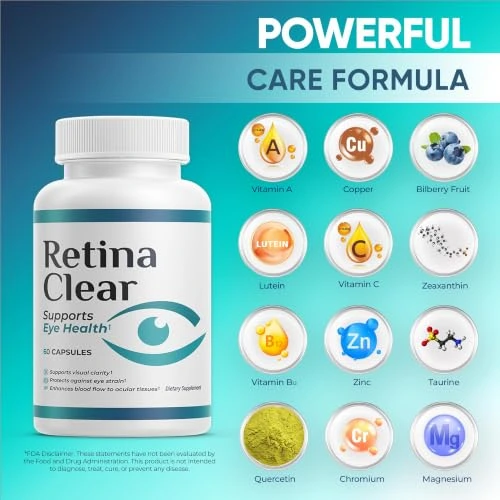
If you do choose one, look for transparency: named actives at sensible amounts, the carotenoids lutein and zeaxanthin listed explicitly, and manufacturing in a facility that follows good manufacturing practices. Consistency is what matters — eye-support nutrients accumulate gradually, so a formula only helps when it becomes a genuine daily habit. That is the everyday, nutrient-first thinking behind RetinaClear, which pairs lutein and zeaxanthin with bilberry and more than a dozen supporting vision vitamins and minerals.
For a fuller picture of how diet fits alongside other daily choices, see our companion guides on daily habits to protect your eyesight naturally and why night vision can get worse. And whenever you have specific concerns about your vision, an eye-care professional — not a blog — is the right person to see.
One capsule, a full vision blend
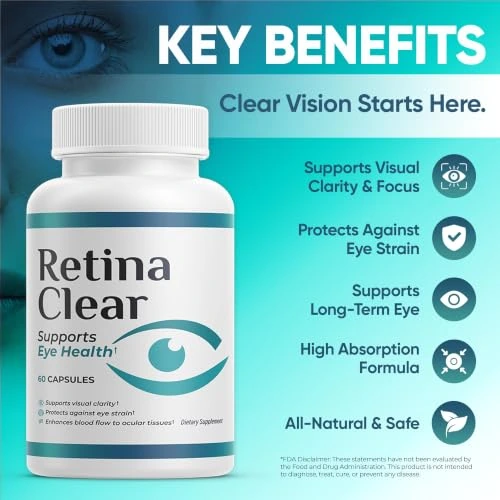
Support visual clarity and comfortable, everyday eyes with lutein, zeaxanthin and a full-spectrum vision formula — made in the USA in an FDA-registered, GMP-certified facility. Best value on the multi-bottle packs.
Order RetinaClear Today
A quick sample day for eye-friendly eating
To make it concrete, here is what a simple, colour-rich day might look like:
- ✓ Breakfast: scrambled eggs with wilted spinach and a glass of orange juice or a whole orange.
- ✓ Lunch: a big mixed salad with peppers, tomatoes, avocado and olive oil, plus a handful of almonds.
- ✓ Dinner: baked salmon with roasted sweet potato and kale.
- ✓ Snacks: blueberries, carrot sticks or a small handful of sunflower seeds.
No exotic ingredients, no counting — just colour, greens and oily fish showing up across the week. That pattern, held over months and years, is what the phrase "best foods for eye health" really means in practice.
| Who we are | An independent team that researches and reviews eye-health and nutrition topics in plain language, with a food-first, evidence-aware approach. |
| How we work | Every guide is fact-checked against reputable eye-care and nutrition sources and updated as guidance evolves. Read more about us. |
What the research says about diet and eye health
Lutein and zeaxanthin are the two dietary carotenoids that accumulate in the macula, and what you eat measurably changes how much of them your retina holds.
A systematic review and meta-analysis in Advances in Nutrition pooled human trials and found that lutein and zeaxanthin intake raises macular pigment optical density — a direct, measurable link between the plate and the retina (PMID 34157098). A review in Nutrition Reviews sets out the potential roles of those two pigments in macular health and function in more detail (PMID 36094616).
Longer-term dietary evidence points the same way without over-promising. A 2014 analysis in Ophthalmology examined genetic susceptibility, dietary antioxidants and the long-term incidence of age-related macular degeneration across two populations (PMID 24290803). Read carefully, that is an association across whole diets over years, not a promise that a single food or capsule changes anyone’s eyesight.
Food also has to fit a life. The rest of the picture is covered in our guides to daily habits that protect your eyesight, to protecting your eyes from sun and UV damage, and to staying properly hydrated — because dehydration can cause blurry vision long before your diet does.
FAQ
What are the best foods for eye health?
Dark leafy greens (spinach, kale, collards), orange and yellow vegetables (carrots, sweet potato, squash), oily fish (salmon, sardines), eggs, citrus and colourful berries are among the best foods for eye health because they supply lutein, zeaxanthin, beta-carotene, omega-3 fats, vitamin C and zinc.
Do carrots really help your eyesight?
Carrots are rich in beta-carotene, which the body converts to vitamin A — a nutrient the retina needs to function normally, especially in dim light. Carrots support a healthy diet, but they will not sharpen already-healthy vision beyond what good nutrition provides; variety matters more than any single food.
Which vitamins are most important for the eyes?
Vitamin A supports the retina, vitamins C and E act as antioxidants, and zinc helps move vitamin A into the retina. The carotenoids lutein and zeaxanthin, while not classic vitamins, concentrate in the macula and help filter blue light.
Can a supplement replace eye-healthy foods?
No. Whole foods deliver fibre, healthy fats and a full spectrum of nutrients a capsule cannot match. A supplement is best viewed as a way to help fill gaps on days your plate falls short, not as a substitute for a varied, colourful diet.
How long before diet changes affect my eyes?
Eye-support nutrients build up gradually. Macular pigment, for example, tends to respond over weeks to months of consistent intake, not days. Think of eye-friendly eating as a steady habit rather than a quick fix.
References
- The Effect of Lutein/Zeaxanthin Intake on Human Macular Pigment Optical Density: A Systematic Review and Meta-Analysis (Advances in Nutrition, 2021 · PMID 34157098)
- Potential roles of dietary zeaxanthin and lutein in macular health and function (Nutrition Reviews, 2023 · PMID 36094616)
- Genetic susceptibility, dietary antioxidants, and long-term incidence of age-related macular degeneration in two populations (Ophthalmology, 2014 · PMID 24290803)
- National Eye Institute — Keep Your Eyes Healthy
- NIH Office of Dietary Supplements — Vitamin A and Carotenoids fact sheet
- National Eye Institute. “Keep Your Eyes Healthy” and “Diet and Nutrition.” nei.nih.gov.
- American Academy of Ophthalmology. “Diet and Nutrition for Healthy Eyes.” aao.org.
- American Optometric Association. “Diet and Nutrition.” aoa.org.
- Age-Related Eye Disease Study 2 (AREDS2) Research Group. “Lutein + Zeaxanthin for the Macula.” JAMA Ophthalmology.
- Harvard T.H. Chan School of Public Health. “The Nutrition Source: Vitamins and Eye Health.” hsph.harvard.edu.
† These statements have not been evaluated by the Food and Drug Administration. This product is not intended to diagnose, treat, cure or prevent any disease. This article is for general information only and is not medical advice; consult a qualified eye-care professional about your individual needs.