Age-Related Vision Changes After 40: What to Expect
Independent guide · affiliate disclosure: RetinaClear.com is an independent publisher, not the manufacturer or seller. Some links on this page are affiliate links and we may earn a commission — at no extra cost to you — if you buy through them. This article is general information, not medical advice.
| What changes | After 40, close-up reading gets harder (presbyopia), you need more light, glare bothers you more, and adjusting between bright and dim takes longer. |
| Why it happens | The lens stiffens and yellows, the pupil shrinks, and the eye's tissues face a lifetime of light and oxidative stress. |
| How to adapt | Brighter task lighting, up-to-date glasses, UV protection, a colourful diet and regular eye exams. |
| Nutrition angle | Lutein, zeaxanthin, omega-3s and antioxidants support aging eyes; a daily formula can help fill gaps. |
| Not normal ageing | Vision changes that are sudden, painful, one-sided or rapidly worsening are not presbyopia. Treat them as urgent. |
| Call emergency services | Sudden blurring or double vision alongside headache, weakness, facial droop or slurred speech can be a stroke. |
| Same-day eye assessment | Sudden loss of vision, a dark curtain or shadow across your sight, a burst of new flashing lights, a sudden shower of floaters, or severe eye pain. |
| Also urgent | Any blow to the eye, a penetrating injury or a chemical splash. Irrigate a chemical splash with clean water immediately, then get help. |
| Not a supplement question | None of the above is treated by a dietary supplement. RetinaClear is not a treatment, drug or cure for macular degeneration, glaucoma, cataract, diabetic retinopathy or any other eye disease. |
Why vision changes after 40
Somewhere in your forties, you may notice you are holding the menu a little further away, reaching for brighter light to read a label, or squinting at oncoming headlights more than you used to. These age-related vision changes are extremely common, they arrive gradually, and for most people they are a normal part of aging rather than a sign of disease. Understanding what is happening — and why — makes them far easier to live with.
The eye is a lifelong optical instrument, and like any well-used instrument its parts change over time. The lens gradually stiffens and can take on a faint yellow tint. The pupil tends to get smaller, so less light reaches the retina. The tear glands may produce fewer or lower-quality tears. And decades of exposure to light and oxygen leave the delicate tissues at the back of the eye facing steady oxidative stress. None of this happens overnight, but together it explains the cluster of age-related vision changes people notice after 40.
The most common age-related vision changes
1. Presbyopia: near vision gets harder
This is the headline change and the one nearly everyone experiences. The lens inside the eye focuses by changing shape, and with age it loses flexibility — so switching focus to something close, like a phone or a book, becomes slower and less complete. The classic sign is holding reading material at arm's length. Reading glasses, bifocals or varifocals correct it easily, and it is worth seeing an optometrist rather than relying indefinitely on guesswork.
2. Needing more light
Because the aging pupil is smaller and the lens lets through less light, aging eyes simply need more illumination to see comfortably. A room that felt bright at 30 can feel dim at 55. Good, well-placed task lighting — a proper reading lamp over the shoulder rather than a single overhead bulb — is one of the cheapest and most effective adaptations there is.
3. More sensitivity to glare
As the lens ages, it can scatter incoming light more, which increases glare and halos — especially from headlights at night or bright sun on a wet road. This overlaps closely with changes in night vision, and it is why many people find night driving more tiring after 40.
4. Slower adjustment between bright and dim
Walking from bright sunshine into a dim restaurant, or the reverse, takes longer to adapt to as you age. The retina's light-adjusting chemistry slows down, so give your eyes a moment in transitions rather than assuming something is wrong.
5. Drier, less comfortable eyes
Tear production naturally declines with age, and hormonal changes can accelerate it, so dryness becomes more common. If gritty, tired eyes are part of your picture, our guide to why eyes feel dry and tired covers the causes and fixes in detail.
6. Colours may look slightly different
A faint yellowing of the lens can subtly mute how you perceive colours, particularly blues. Most people never notice, but it is part of the same gradual, normal process.
Support aging eyes, one capsule a day
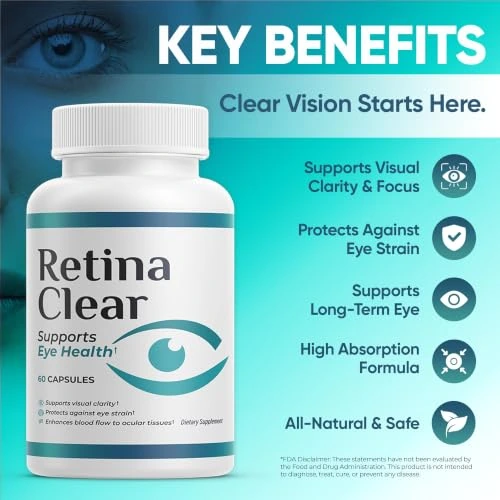
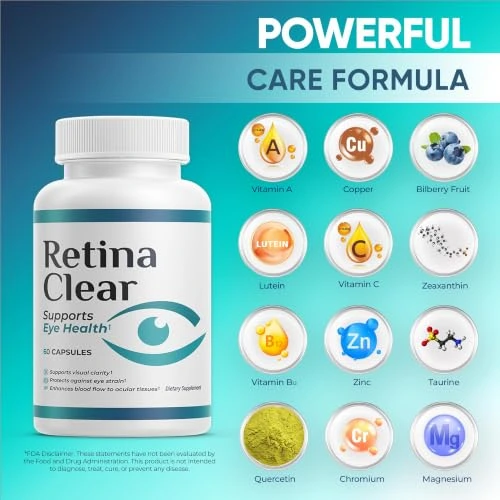
RetinaClear brings lutein, zeaxanthin and bilberry together with a full spectrum of vision vitamins and minerals — a simple daily foundation for eyes that have earned a little extra support. Backed by a 60-day money-back guarantee.
See RetinaClear PackagesHow to adapt and support your eyes after 40
You cannot stop the clock, but a surprising amount is within your control. These are the habits eye-care professionals return to again and again.
Keep your prescription up to date
A great deal of "my eyes are getting worse" is simply glasses that are a year or two behind. An up-to-date prescription — and reading glasses that actually match your working distance — removes a lot of daily strain instantly.
Light your world well
Add task lighting for reading, cooking and hobbies. Reduce glare with matte surfaces and by positioning screens away from windows. Aging eyes reward good lighting more than almost anything else.
Protect against UV
Cumulative ultraviolet exposure is linked with long-term changes to the lens and surface of the eye. Wearing sunglasses that block UVA and UVB, plus a brimmed hat in strong sun, is a genuinely protective lifelong habit.
Do not smoke
Smoking is one of the most consistently identified modifiable risk factors for age-related eye conditions. Not smoking — or stopping — is among the most powerful things you can do for your long-term vision.
Eat for your eyes
A colourful, whole-food diet supplies the carotenoids, omega-3 fats and antioxidants aging eyes rely on. Leafy greens, oily fish, eggs, citrus and berries do a lot of quiet work here — our guide to the best foods for eye health and vision lays out an easy, food-first plan. For the wider routine, see daily habits to protect your eyesight naturally.
Get regular eye exams
This is the non-negotiable one. Many eye-care organisations recommend a baseline comprehensive exam around age 40 and then at intervals your professional advises. Exams catch age-related changes early, when adapting is easiest, and can spot conditions that have no obvious early symptoms.
Where a daily supplement fits
Food comes first, but real diets after 40 often fall short on the specific nutrients that support the macula — the part of the retina responsible for sharp central vision. The carotenoids lutein and zeaxanthin build the macular pigment that helps filter high-energy blue light, and antioxidant nutrients such as vitamins C and E and zinc support the eye's tissues against oxidative stress. Because the body cannot make lutein and zeaxanthin, they have to come from diet or supplementation.
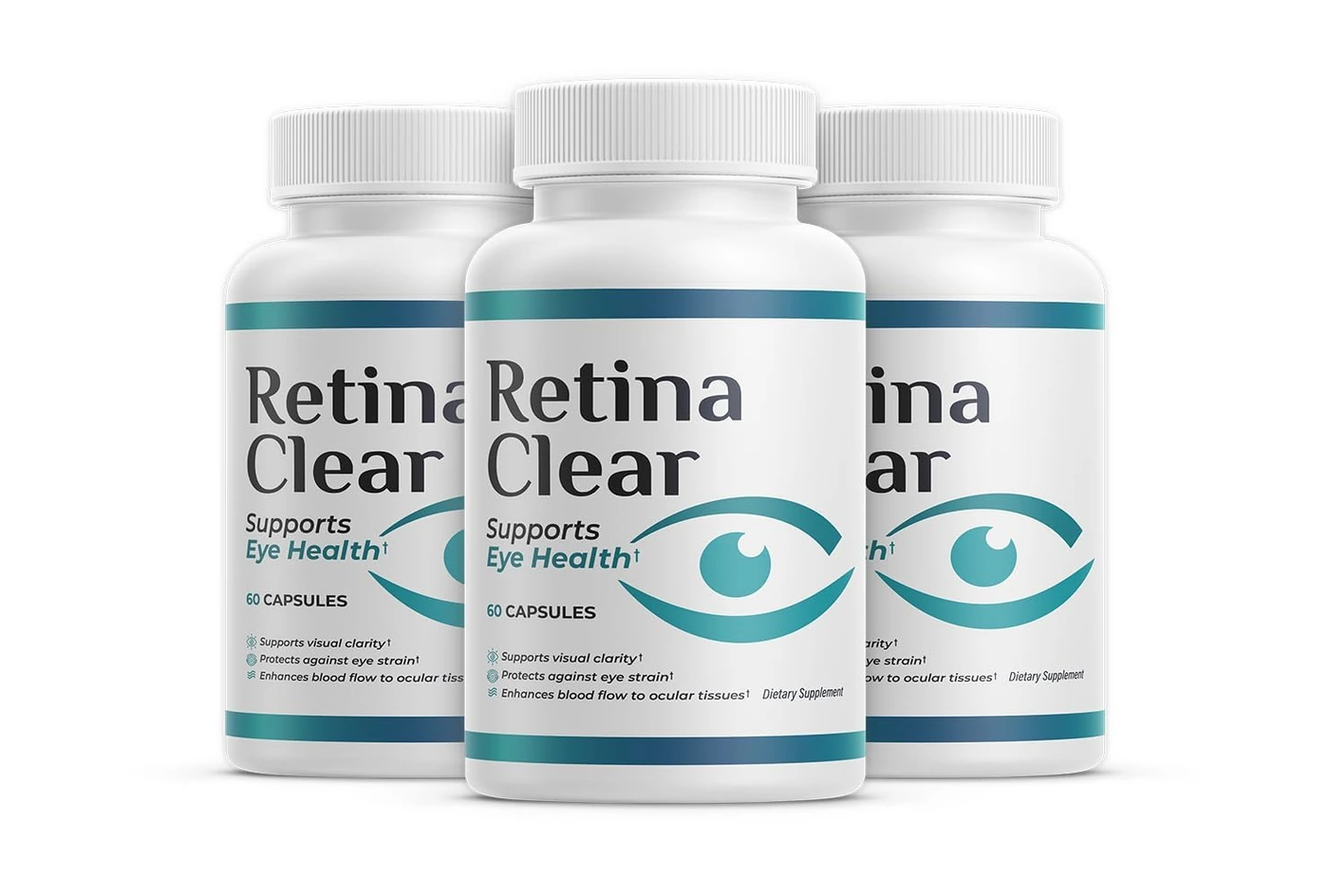
That is the thinking behind RetinaClear: a once-daily capsule pairing lutein and zeaxanthin with bilberry and more than a dozen supporting vision vitamins and minerals, designed to help fill the everyday gaps as part of a broader routine. It is not a treatment or a substitute for professional care — think of it as the nutrient foundation your habits and eye exams sit on. Consistency is what counts, since these nutrients accumulate gradually.
A full vision blend in one capsule
Support visual clarity and comfortable, everyday eyes with lutein, zeaxanthin and a full-spectrum formula — made in the USA in an FDA-registered, GMP-certified facility. Best value on the multi-bottle packs.
Order RetinaClear Today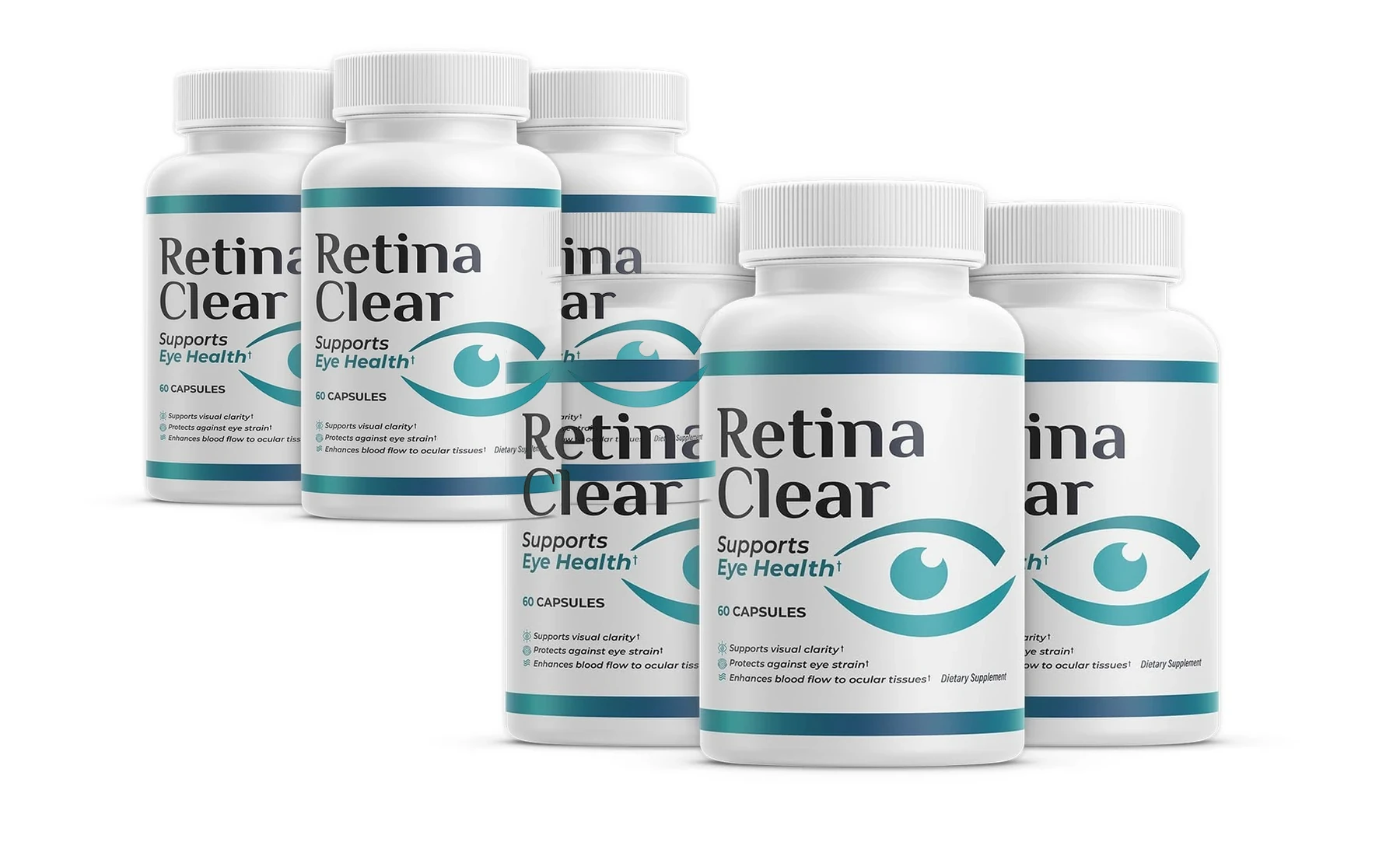
When to see a professional promptly
Gradual, symmetrical changes are usually the normal aging process. But some symptoms are not, and they warrant a prompt appointment: sudden vision loss or blur, a curtain or shadow across your field of view, new or increasing floaters and flashes, straight lines that appear wavy or distorted, double vision, or eye pain. These can signal conditions that need timely attention, and catching them early always gives you more options.
| Who we are | An independent team that researches and reviews eye-health and healthy-aging topics in clear, practical language. |
| How we work | Every guide is fact-checked against reputable eye-care sources and updated as guidance evolves. Read more about us. |
What the research says about eyes after 40
Presbyopia — the gradual loss of near focus that pushes small print out to arm’s length — is the most predictable eye change of midlife, and it is a normal ageing process rather than a disease.
A 2024 review in Contact Lens and Anterior Eye set out the epidemiology and everyday impact of presbyopia, describing how near-vision difficulty becomes close to universal from the mid-forties onwards and what it costs people in reading, work and daily function (PMID 38594155). That is why reading glasses, not supplements, are the first-line answer to a menu you cannot read.
Age is also the dominant risk factor for age-related macular degeneration, and it does not travel alone. A 2025 systematic review and meta-analysis in Medicine pooled the evidence on risk factors for AMD and found age and smoking heading the list (PMID 39993131) — which is the single most useful thing to know at this stage of life. If you smoke, our guide to how smoking affects your eyes and vision covers what quitting changes and how quickly.
Diet turns up in the same literature. A 2014 analysis in Ophthalmology followed two populations over the long term, examining genetic susceptibility, dietary antioxidants and the incidence of age-related macular degeneration (PMID 24290803). It is one reason an eye-friendly plate keeps being recommended, and it is worth reading alongside our guide to the best foods for eye health and vision. Two other changes that often begin in the same decade — eye floaters and the cumulative effect of sun and UV exposure — each deserve their own read.
None of this makes a supplement a treatment. Research on an ingredient is not evidence about a finished product, and no published trial has tested the RetinaClear formula itself.
FAQ
What vision changes are normal after 40?
The most common age-related change is presbyopia — the lens loses flexibility, so close-up reading gets harder and you hold things further away. Many people also notice they need more light to read, take longer to adjust between bright and dim, and become more sensitive to glare.
Why do I need more light to read as I age?
As the eye ages, the pupil tends to get smaller and the lens can yellow slightly, so less light reaches the retina. Brighter, well-placed task lighting is one of the simplest and most effective adjustments for aging eyes.
Can diet and lifestyle support eyes after 40?
Yes. A colourful diet rich in leafy greens, carotenoids, omega-3s and antioxidants, not smoking, protecting your eyes from UV, and regular eye exams all support long-term eye health. Some people also add a daily vision supplement to help fill dietary gaps.
How often should I get an eye exam after 40?
Many eye-care organisations suggest a comprehensive exam around age 40 and then at intervals your professional recommends — often every one to two years, or more frequently if you have risk factors. Regular exams catch changes early, when adapting is easiest.
Is presbyopia the same as needing glasses for distance?
No. Presbyopia specifically affects near focus and is caused by the lens stiffening with age. It can occur on its own or alongside short- or long-sightedness, which is why a proper eye exam is the best way to sort out exactly what correction you need.
References
- BCLA CLEAR Presbyopia: Epidemiology and impact (Cont Lens Anterior Eye, 2024 · PMID 38594155)
- Risk factors for age-related macular degeneration: Updated systematic review and meta-analysis (Medicine (Baltimore), 2025 · PMID 39993131)
- Genetic susceptibility, dietary antioxidants, and long-term incidence of age-related macular degeneration in two populations (Ophthalmology, 2014 · PMID 24290803)
- National Eye Institute — Learn About Eye Health
- NIH Office of Dietary Supplements — Vitamin A and Carotenoids fact sheet
- National Eye Institute. “Aging and Your Eyes” and “Presbyopia.” nei.nih.gov.
- American Academy of Ophthalmology. “Adult Eye Health & Presbyopia.” aao.org.
- American Optometric Association. “Adult Vision: 41 to 60 Years of Age.” aoa.org.
- Age-Related Eye Disease Study 2 (AREDS2) Research Group. “Lutein + Zeaxanthin and the Macula.” JAMA Ophthalmology.
† These statements have not been evaluated by the Food and Drug Administration. This product is not intended to diagnose, treat, cure or prevent any disease. This article is for general information only and is not medical advice; consult a qualified eye-care professional about your individual needs.