Why Does My Eye Keep Twitching? Causes and How to Stop It
Independent guide · affiliate disclosure: RetinaClear.com is an independent publisher, not the manufacturer or seller. Some links on this page are affiliate links and we may earn a commission — at no extra cost to you — if you buy through them. This article is general information, not medical advice.
| What it is | A harmless eyelid flutter (myokymia) — a tiny, involuntary muscle twitch you feel more than others can see. |
| Everyday causes | Stress, tiredness, too much caffeine, dry or strained eyes, alcohol, and long stretches of screen time. |
| What helps | Sleep, less caffeine, screen breaks, lubricating drops, a warm compress and managing stress. |
| See a professional | If it lasts weeks, shuts the eye fully, spreads across your face, or comes with drooping or discharge. |
| A twitch that is not benign | Spasm that closes the eye, spreads to the rest of the face, lasts weeks, or comes with a drooping lid or double vision should be examined. |
| Call emergency services | Sudden blurring or double vision alongside headache, weakness, facial droop or slurred speech can be a stroke. |
| Same-day eye assessment | Sudden loss of vision, a dark curtain or shadow across your sight, a burst of new flashing lights, a sudden shower of floaters, or severe eye pain. |
| Also urgent | Any blow to the eye, a penetrating injury or a chemical splash. Irrigate a chemical splash with clean water immediately, then get help. |
| Not a supplement question | None of the above is treated by a dietary supplement. RetinaClear is not a treatment, drug or cure for macular degeneration, glaucoma, cataract, diabetic retinopathy or any other eye disease. |

It arrives out of nowhere. Right in the middle of a busy day your lower eyelid begins to flutter — a small, insistent tremor that you feel far more than anyone can see. You press it, you blink hard, you wonder if people have noticed, and it carries on regardless. If your eye keeps twitching, take a breath: the everyday eyelid twitch is one of the most common and most harmless things your eyes do. It is also, happily, one of the most responsive to a few simple lifestyle tweaks. This guide explains what causes it, how to calm it, and the rare warning signs that mean it is worth a professional look.
What an eye twitch actually is
The medical name for the common eyelid twitch is myokymia. It is an involuntary, rhythmic contraction of the small muscle that closes your eyelid, usually affecting just the lower lid of one eye. The sensation can be surprisingly strong from the inside, yet it is so subtle that other people rarely notice it at all. That mismatch — a big feeling, an invisible cause — is part of why twitches feel so maddening.
Crucially, this everyday flutter is not a sign that anything is wrong with your eye or your brain. It is a temporary state of over-excitability in the tiny nerves and muscle fibres of the eyelid, and it almost always fades on its own within a few days to a couple of weeks. The reason it keeps coming back for some people is simply that the triggers — stress, tiredness, caffeine, tired eyes — keep coming back too.
Why your eye keeps twitching: the common causes
Eyelid twitches rarely have a single cause. More often several everyday factors stack up until the muscle becomes twitchy. These are the usual suspects, roughly in order of how often they are to blame.
1. Stress
Stress is the classic trigger. When you are under pressure your body stays in a heightened, alert state, and that low-level tension can show up in all sorts of small physical ways — a tight jaw, a knot in the shoulders, and yes, a twitchy eyelid. It is one reason twitches so often flare during a demanding week and settle the moment a deadline passes.
2. Tiredness and poor sleep
Run short on sleep and your nervous system becomes more excitable, making twitches far more likely. A late night, a stretch of broken sleep or ongoing fatigue are among the most reliable ways to summon an eyelid flutter. This is often the easiest trigger to fix, and catching up on rest frequently ends the twitch within a day or two.
3. Caffeine and alcohol
Caffeine is a stimulant that makes nerves and muscles more reactive, so a heavy coffee, tea, energy-drink or cola habit is a common driver of persistent twitches. Alcohol can contribute too, partly through disrupted sleep and mild dehydration. Cutting back on both is one of the single most effective moves against a stubborn twitch.

4. Dry, tired or strained eyes
When the surface of the eye is dry or the eye muscles are fatigued from close work, the eyelid is more prone to twitching. Long hours on screens are a major contributor here, because we blink far less when we stare at a display, leaving the eye dry and the focusing muscles worn out. If gritty, heavy eyes are part of your day, our guide to why eyes feel dry and tired tackles the causes, and the fixes often calm twitching as a bonus. For screen-specific relief, see how to reduce eye strain from screens.
5. Dehydration and diet
Muscles and nerves need adequate hydration and minerals to fire smoothly. Not drinking enough water, or running low on minerals such as magnesium, may contribute to twitches for some people, alongside the bigger triggers of stress and fatigue. A balanced diet and steady hydration support normal muscle and nerve function, which is one small reason to keep them in check.
Everyday nutrient support for hard-working eyes
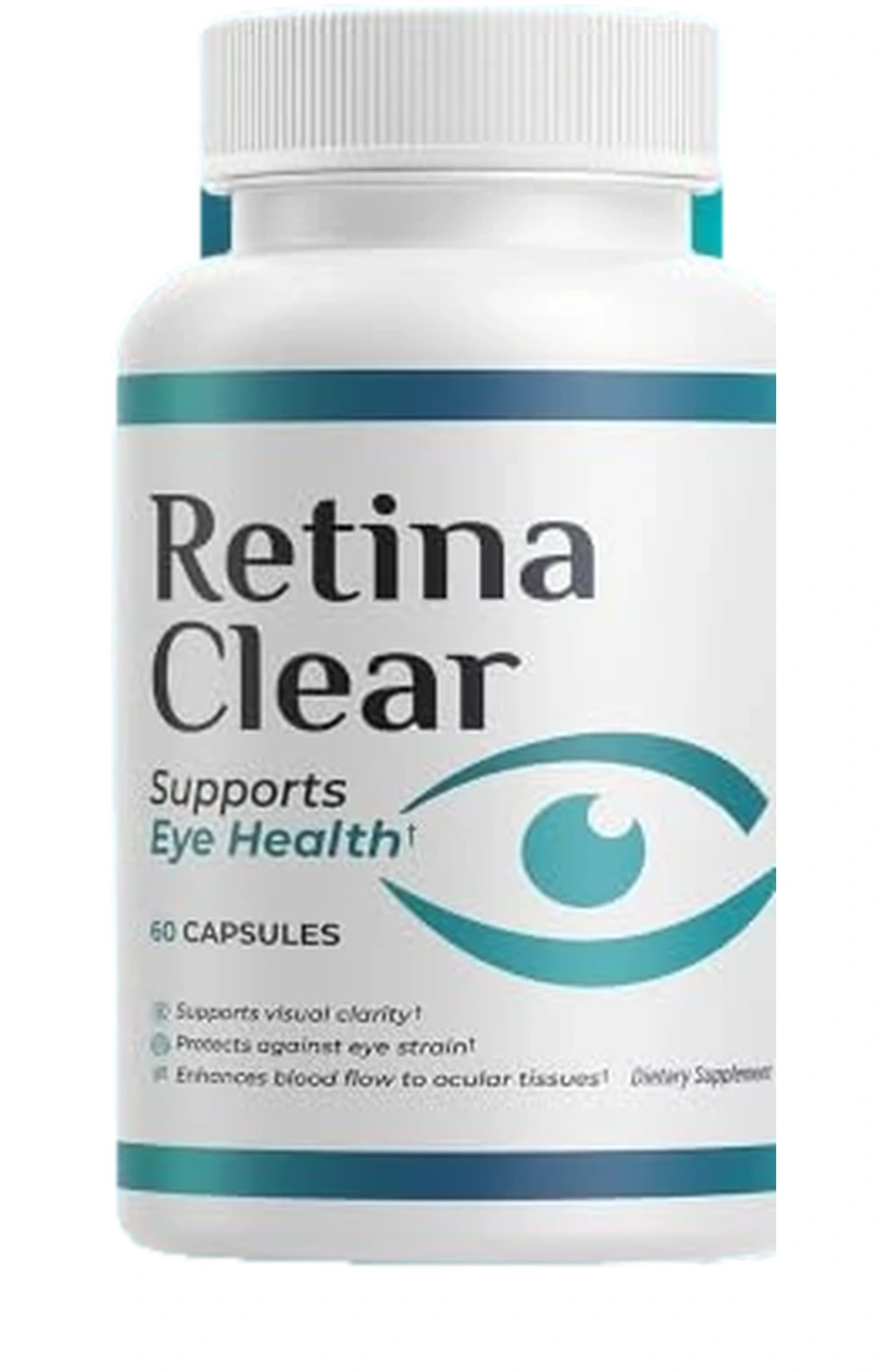
RetinaClear pairs lutein, zeaxanthin and bilberry with vitamin A and a full spectrum of vision vitamins and minerals in one daily capsule — steady support for eyes that work long hours. Backed by a 60-day money-back guarantee.
See RetinaClear PackagesHow to stop an eye twitch
Because the everyday twitch is driven by lifestyle triggers, the way to calm it is to unpick those triggers one by one. Most people find the flutter fades within a week or two of the following.
Prioritise sleep
Aim for a consistent seven to nine hours and a steady bedtime. If tiredness is your trigger — and for many people it is — a couple of good nights can be all it takes.
Cut back on caffeine
Reduce coffee, tea, energy drinks and cola, and see whether the twitch eases over a few days. You do not have to quit entirely; even trimming an afternoon cup can make a difference for a sensitive eyelid.
Rest and lubricate your eyes
Give your eyes regular breaks from screens using the 20-20-20 rule — every 20 minutes, look at something 20 feet away for 20 seconds. Blink fully and often, and if your eyes feel dry, preservative-free lubricating drops help. A warm compress held gently on a closed lid for a few minutes can relax the muscle directly.
Manage stress
You cannot always remove the pressure, but you can dial down the physical tension it creates. A short walk, a few minutes of slow breathing, or simply stepping away from the desk can settle an overexcited nervous system — and, often, the eyelid along with it.
Hydrate and eat well
Keep water topped up through the day and eat a varied, colourful diet so your muscles and nerves have the minerals they need to work smoothly. The same nutrient-rich foods that support your muscles also support your eyes — see the best foods for eye health and vision for the menu, and daily habits to protect your eyesight naturally for the wider routine.
When an eye twitch needs a professional
The everyday flutter is benign and self-limiting, but a few less common patterns deserve a proper assessment. See an eye-care professional or your doctor if the twitch:
- persists for more than a few weeks without easing;
- forces your eyelid to close completely, or makes both eyes clamp shut;
- spreads to involve other muscles of your face;
- comes with a drooping eyelid, redness, swelling or discharge;
- follows an eye injury, or comes with any change in your vision.
These patterns are far less common than the ordinary twitch, but they point to conditions that benefit from a professional eye. As always, if something about your eyes feels different or worrying, getting it checked is the sensible move — peace of mind is worth the appointment.
Where a daily supplement fits
A supplement will not switch off an eyelid twitch — the levers there are sleep, caffeine, stress and screen habits. What a daily formula can do is support the overall nutrient foundation your eyes and muscles rely on. That is the everyday idea behind RetinaClear: a once-daily capsule combining lutein, zeaxanthin and bilberry with vitamin A and more than a dozen supporting vision vitamins and minerals, made to help fill the gaps a busy diet can leave. It is not a treatment for eyelid twitching or any condition, and it is no substitute for rest, hydration and professional care — think of it as steady, long-term support that sits alongside good habits. As with any nutrient, consistency matters, because levels build gradually.
One capsule, a full vision blend
Give tired, hard-working eyes daily support with lutein, zeaxanthin, vitamin A and a full-spectrum formula, made in the USA in an FDA-registered, GMP-certified facility. Best value on the multi-bottle packs.
Order RetinaClear Today
| Who we are | An independent team that researches and reviews everyday eye-health questions in clear, practical language. |
| How we work | Every guide is fact-checked against reputable eye-care sources and kept up to date. Read more about us. |
What the research says about eyelid twitching
The common eyelid flutter has a name — myokymia — and it is a benign, self-limiting twitch of the muscle around the eye that almost always settles on its own.
A paper in Orbit titled “Eyelid myokymia: not always benign” is worth reading precisely because it defines the usual harmless picture while naming the small number of presentations that are not (PMID 21957885). A more light-hearted but useful piece in Clinical Ophthalmology asks whether tonic water stops eyelid twitching, and is a good example of how thin the evidence is for the folk remedies people try first (PMID 32184555).
The everyday triggers are the ones worth acting on, and an irritated eye surface is one of them. The TFOS DEWS II Definition and Classification Report describes the loss of tear-film homeostasis behind dry eye (PMID 28736335) — the same surface irritation that so often accompanies a twitch after a long day.
In practice the triggers cluster: short nights, covered in how lack of sleep affects your eyes; surface dryness, covered in why your eyes feel dry and tired; and long screen sessions, covered in how to reduce eye strain from screens.
FAQ
Why does my eye keep twitching?
The common eyelid twitch, called myokymia, is a harmless muscle flutter usually triggered by stress, tiredness, too much caffeine, dry or strained eyes, or a run of long screen days. It typically settles within days once you rest, cut back on caffeine and ease the load on your eyes.
How do I stop my eye from twitching?
Target the usual triggers: sleep more, dial back caffeine and alcohol, take regular screen breaks with the 20-20-20 rule, use lubricating drops if your eyes are dry, and manage stress with a short walk or breathing break. A warm compress on the lid can also help relax the muscle. Most twitches fade within a week or two.
Is an eye twitch a sign of something serious?
Almost always no. The everyday flutter is benign. See a professional if the twitch lasts more than a few weeks, forces the eye fully shut, spreads to other parts of your face, or comes with drooping, redness or discharge, as these less common patterns need proper assessment.
Can a lack of vitamins cause eye twitching?
Nerve and muscle function relies on minerals such as magnesium and on B vitamins, so a shortfall may contribute to twitches for some people, alongside dehydration and fatigue. A balanced diet and good hydration support normal muscle and nerve function, though most everyday twitches are down to stress, caffeine and tiredness rather than a deficiency.
Does caffeine make eye twitching worse?
Yes, for many people. Caffeine is a stimulant that can make nerves and muscles more excitable, so cutting back on coffee, tea, energy drinks and cola is one of the most reliable ways to calm a persistent eyelid twitch.
References
- Eyelid myokymia: not always benign (Orbit, 2011 · PMID 21957885)
- Will Tonic Water Stop My Eyelid Twitching? (Clinical Ophthalmology, 2020 · PMID 32184555)
- TFOS DEWS II Definition and Classification Report (The Ocular Surface, 2017 · PMID 28736335)
- National Eye Institute — Learn About Eye Health
- NIH Office of Dietary Supplements — Magnesium fact sheet
- American Academy of Ophthalmology. “Eyelid Twitching: Why It Happens.” aao.org.
- American Optometric Association. “Eyelid Twitches and Spasms.” aoa.org.
- National Eye Institute. “Keeping Your Eyes Healthy.” nei.nih.gov.
- National Institutes of Health, Office of Dietary Supplements. “Magnesium” and “B Vitamins.” ods.od.nih.gov.
† These statements have not been evaluated by the Food and Drug Administration. This product is not intended to diagnose, treat, cure or prevent any disease. This article is for general information only and is not medical advice; consult a qualified eye-care professional about your individual needs.