How to Protect Your Eyes From Sun and UV Damage: A Guide
Independent guide · affiliate disclosure: RetinaClear.com is an independent publisher, not the manufacturer or seller. Some links on this page are affiliate links and we may earn a commission — at no extra cost to you — if you buy through them. This article is general information, not medical advice.
| The essentials | Wear sunglasses labelled 100% UV (UV400), add a wide-brimmed hat, and never look directly at the sun. |
| Key myth | Darker lenses do not mean more protection — tint and UV filtering are separate. Always check the UV label. |
| Year round | UV passes through cloud and reflects off water, sand and snow, so protect your eyes on dull days too. |
| From within | A colourful diet rich in lutein, zeaxanthin and antioxidants supports overall eye health alongside physical protection. |
| After sun exposure | Intense pain, gritty burning and light sensitivity hours after strong sun or snow glare can be photokeratitis. Get it assessed rather than waiting. |
| Call emergency services | Sudden blurring or double vision alongside headache, weakness, facial droop or slurred speech can be a stroke. |
| Same-day eye assessment | Sudden loss of vision, a dark curtain or shadow across your sight, a burst of new flashing lights, a sudden shower of floaters, or severe eye pain. |
| Also urgent | Any blow to the eye, a penetrating injury or a chemical splash. Irrigate a chemical splash with clean water immediately, then get help. |
| Not a supplement question | None of the above is treated by a dietary supplement. RetinaClear is not a treatment, drug or cure for macular degeneration, glaucoma, cataract, diabetic retinopathy or any other eye disease. |
We are careful about sunscreen for our skin, yet many of us step out into blazing daylight with our eyes completely unshielded. The eyes are just as vulnerable to ultraviolet (UV) radiation as skin, and unlike a sunburn, UV eye damage is invisible and adds up quietly over a lifetime. The reassuring news is that protecting your eyes from the sun is simple, cheap and effective — a good pair of sunglasses and a few sensible habits do almost all the work. This guide explains why UV matters for your eyes, how to choose protection that genuinely works, and how to build sun safety into everyday life.
Why UV light matters for your eyes
Sunlight contains ultraviolet radiation in two main forms that reach us: UVA and UVB. Both can affect the eye and the delicate skin around it. In the short term, intense UV exposure — a day on bright snow or water without protection — can cause photokeratitis, essentially a sunburn of the cornea, which is temporarily painful but usually heals. The bigger concern is the long game: UV exposure is cumulative, and over many years it is associated with changes to several structures of the eye, as well as to the thin, sun-exposed skin of the eyelids.
Because the damage accumulates silently and cannot be undone, prevention is everything. And because UV is present far more of the time than most people assume — through cloud, in winter, and bouncing off bright surfaces — effective eye protection is a year-round, everyday habit rather than a beach-only one. This is one of the most valuable long-term moves in the whole toolkit of daily habits to protect your eyesight naturally.
How to choose sunglasses that actually protect
Not all sunglasses are equal, and the most important feature is one you cannot see. Here is what actually matters when you buy.
Look for 100% UV or UV400
This is the single most important label. Choose sunglasses that block 100 percent of both UVA and UVB, often marked as UV400 (meaning they block light up to 400 nanometres, which covers UV). Price and brand matter far less than this rating — an inexpensive pair with genuine 100 percent UV protection outperforms a designer pair without it.
Darkness is not protection
This is the myth that catches everyone out: a darker tint does not mean more UV protection. Tint and UV filtering are completely separate. In fact, very dark lenses with no UV filter are worse than wearing nothing, because the darkness makes your pupils open wider and then lets more unfiltered UV flood in. Always confirm the UV label regardless of how dark the lenses look.
Bigger and wraparound is better
Larger lenses and wraparound or close-fitting styles block more light from sneaking in around the edges, including UV reflected from the sides. If you spend a lot of time outdoors, near water or driving, a wraparound design gives noticeably better real-world coverage.
Consider polarised for glare
Polarised lenses cut glare from reflective surfaces like water, roads and car bonnets, which makes vision more comfortable and reduces squinting. Polarisation is about glare and comfort, not UV, so still check for the 100 percent UV rating — but the two features together make an excellent everyday pair.
Support your eyes from the inside, too
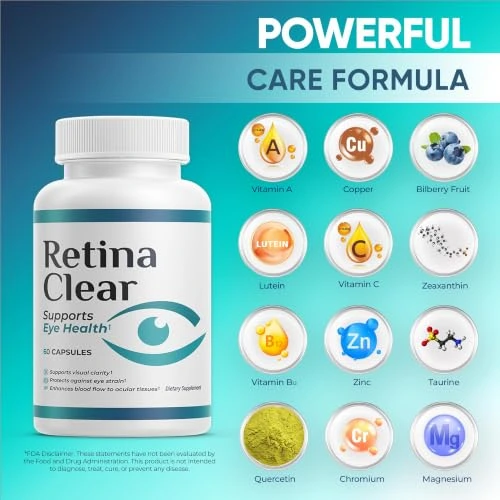
Physical protection first — then nourish. RetinaClear brings lutein, zeaxanthin and bilberry together with vitamin A, vitamin C, zinc and a full spectrum of vision vitamins and minerals in one daily capsule, backed by a 60-day money-back guarantee.
See RetinaClear PackagesEveryday habits for year-round eye sun safety
Sunglasses are the centrepiece, but a handful of habits close the gaps and make protection second nature.
Add a wide-brimmed hat
A broad brim cuts the amount of UV reaching your eyes from above by a large margin and complements sunglasses beautifully. Together they give far better coverage than either alone — a simple, effective combination for gardening, walking, sport or a day out.
Never look directly at the sun
This sounds obvious but bears repeating: never stare at the sun, even through sunglasses, and never view a solar eclipse without proper certified eclipse filters. Direct solar viewing can cause serious, lasting harm to the retina in a very short time.
Be extra careful near reflective surfaces
Water, sand, snow and concrete all reflect UV back up at your eyes, sharply increasing exposure. Snow is a notorious culprit, which is why skiers and mountain-goers need proper protection. Time near bright water or fresh snow calls for your best UV-blocking, wraparound lenses.
Protect your eyes even on cloudy days and in winter
UV penetrates cloud, and it is present all year, not just in high summer. Building a year-round habit — sunglasses in the car, in your bag, by the door — means you are covered on the dull and cold days that people usually skip. The sun sits lower in winter, too, sending light more directly into your eyes.
Do not forget the growing eyes of children
Children spend more time outdoors and their eyes transmit more UV than adults, so starting the sunglasses-and-hat habit early is a genuine long-term investment. Choose well-fitting, 100 percent UV-blocking pairs made for their size.
Supporting your eyes from within
Physical protection is the priority, but nutrition plays a genuine supporting role in overall eye health. The macula at the centre of the retina concentrates two carotenoids, lutein and zeaxanthin, which form the yellow macular pigment that helps filter high-energy visible and blue light — a kind of internal, built-in filter. Because the body cannot make these carotenoids, they have to come from your diet or a supplement. Alongside them, antioxidants such as vitamin C and vitamin E, plus zinc and omega-3 fatty acids, are associated with supporting the health of the eyes over time.
You will find all of these in a colourful, whole-food diet — leafy greens, orange and yellow vegetables, eggs, oily fish and berries. Our guide to the best foods for eye health and vision lays out exactly what to put on your plate. As the eyes change over the years, this combination of physical protection and good nutrition becomes even more worthwhile; see age-related vision changes after 40 for what to expect.
Where a daily supplement fits
Food and sunglasses come first, always. But the carotenoids that build the macular pigment are ones a busy diet can fall short on, and because the body cannot produce them, topping up can help. That is the everyday, nutrient-first idea behind RetinaClear: a once-daily capsule combining lutein, zeaxanthin and bilberry with vitamin A, vitamin C, zinc and more than a dozen supporting vision vitamins and minerals, designed to help fill dietary gaps as part of a broader routine. It is not a sunscreen for your eyes and not a treatment for any condition — it is the nutrient foundation that sits alongside your sunglasses, your hat and your regular eye exams. Consistency matters, since these nutrients build up gradually.
One capsule, a full vision blend
Support comfortable, everyday eyes with lutein, zeaxanthin, vitamin A, vitamin C, zinc and a full-spectrum formula, made in the USA in an FDA-registered, GMP-certified facility. Best value on the multi-bottle packs.
Order RetinaClear Today
| Who we are | An independent team that researches and reviews everyday eye-health questions in clear, practical language. |
| How we work | Every guide is fact-checked against reputable eye-care sources and kept up to date. Read more about us. |
What the research says about UV and the eye
Ultraviolet light reaches the front of the eye during every daylight hour you spend outdoors, and the damage it does is cumulative rather than sudden.
A review in Eye & Contact Lens covers ultraviolet radiation and the anterior eye — the cornea, conjunctiva and lens that take the exposure first (PMID 21670690). A broader review in International Ophthalmology surveys ultraviolet light and ocular diseases and the conditions associated with long-term exposure (PMID 23722672).
One popular product deserves a caveat. Blue-light filtering spectacle lenses are frequently sold as eye protection, but a 2023 Cochrane review of blue-light filtering lenses for visual performance, sleep and macular health in adults found the evidence for their benefits weak and uncertain (PMID 37593770). Blue-light lenses are not UV protection; UV protection is what the sunglasses label has to say.
Glare that follows you indoors is a different problem, covered in why your eyes are sensitive to light, and glare at the wheel after dark is covered in why your night vision is getting worse. Sun habits fit into the wider routine in daily habits to protect your eyesight naturally.
FAQ
How do I protect my eyes from the sun?
Wear sunglasses that block 100 percent of UVA and UVB every time you are outdoors in daylight, add a wide-brimmed hat for extra shade, avoid looking directly at the sun, and be extra careful near water, sand and snow, which reflect UV. Protecting your eyes year round, not just in summer, is the key habit.
Do darker sunglasses block more UV?
No. Tint darkness and UV protection are separate things. Very dark lenses with no UV filter are actually worse than none, because they make your pupils widen and let more unfiltered UV in. Always choose lenses labelled 100 percent UV protection or UV400, whatever the tint.
Can you get UV eye damage on a cloudy day?
Yes. UV rays pass through cloud, so your eyes can be exposed even when it is overcast, and reflective surfaces like water, snow and pavement bounce extra UV toward your eyes. That is why year-round, everyday eye protection matters rather than only bright, sunny days.
Do children need eye sun protection too?
Especially so. Children tend to spend more time outdoors and their eyes let through more UV than adults, and UV exposure is thought to add up over a lifetime. Well-fitting, 100 percent UV-blocking sunglasses and a hat are a good habit to start early.
Does diet help protect the eyes alongside sun protection?
Physical protection comes first, but a colourful diet rich in the carotenoids lutein and zeaxanthin, vitamin C, vitamin E, zinc and omega-3s supports overall eye health. Lutein and zeaxanthin build the macular pigment that helps the eye filter high-energy light, which is why they are a useful part of a broader eye-care routine.
References
- Ultraviolet radiation and the anterior eye (Eye & Contact Lens, 2011 · PMID 21670690)
- Ultraviolet light and ocular diseases (International Ophthalmology, 2014 · PMID 23722672)
- Blue-light filtering spectacle lenses for visual performance, sleep, and macular health in adults (Cochrane Database of Systematic Reviews, 2023 · PMID 37593770)
- National Eye Institute — Keep Your Eyes Healthy
- NIH Office of Dietary Supplements — Vitamin C fact sheet
- American Academy of Ophthalmology. “Recommended Types of Sunglasses” and “How the Sun and UV Damage Your Eyes.” aao.org.
- National Eye Institute. “Protecting Your Eyes from the Sun’s UV Light.” nei.nih.gov.
- American Optometric Association. “UV Protection” and “Sunglasses.” aoa.org.
- National Institutes of Health, Office of Dietary Supplements. “Lutein and Zeaxanthin,” “Vitamin C,” and “Zinc.” ods.od.nih.gov.
† These statements have not been evaluated by the Food and Drug Administration. This product is not intended to diagnose, treat, cure or prevent any disease. This article is for general information only and is not medical advice; consult a qualified eye-care professional about your individual needs.