Can Dehydration Cause Blurry Vision? What Hydration Does
Independent guide · affiliate disclosure: RetinaClear.com is an independent publisher, not the manufacturer or seller. Some links on this page are affiliate links and we may earn a commission — at no extra cost to you — if you buy through them. This article is general information, not medical advice.
| Short answer | Yes — tears are mostly water, so dehydration can dry the eye surface and blur or haze your vision until you rehydrate. |
| Signs to watch | Dry, gritty, tired eyes, fluctuating or blurry vision, trouble focusing at screens, eye fatigue, and general thirst or dark urine. |
| What helps | Sip water through the day, eat water-rich foods, limit excess caffeine and alcohol, blink often and use a humidifier in dry air. |
| See a professional | If blur persists after rehydrating, or comes with pain, headache, halos, flashes or any vision loss. |
| Beyond thirst | Confusion, fainting, a racing heart or no urine output are signs of serious dehydration and need medical help, not a glass of water. |
| Call emergency services | Sudden blurring or double vision alongside headache, weakness, facial droop or slurred speech can be a stroke. |
| Same-day eye assessment | Sudden loss of vision, a dark curtain or shadow across your sight, a burst of new flashing lights, a sudden shower of floaters, or severe eye pain. |
| Also urgent | Any blow to the eye, a penetrating injury or a chemical splash. Irrigate a chemical splash with clean water immediately, then get help. |
| Not a supplement question | None of the above is treated by a dietary supplement. RetinaClear is not a treatment, drug or cure for macular degeneration, glaucoma, cataract, diabetic retinopathy or any other eye disease. |
Reach for a glass of water and you are doing more for your eyes than you might think. It is easy to overlook, but dehydration can cause blurry vision and a whole cluster of everyday eye complaints — dry, gritty, tired eyes, trouble focusing at the screen, and that hazy, can't-quite-sharpen feeling by mid-afternoon. Your eyes are, quite literally, watery organs, and when the body runs short on fluid they are among the first places you feel it. This guide explains how hydration affects your eyes, the signs your eyes are short on water, how much you really need, and the simple habits that keep vision clear and comfortable.
Why hydration matters so much to your eyes
Start with the tears. The tear film that coats the front of your eye is mostly water, and it is the very first surface light passes through on its way in. A healthy, well-watered tear film is smooth, so it lets light through cleanly and vision stays sharp. When your body is short on fluid, it makes fewer and lower-quality tears, the surface dries out, and that smooth optical layer breaks up into an uneven, patchy film. An uneven film scatters light instead of focusing it, and the result is vision that reads as blurry, hazy or fluctuating — often worst when you have not had a drink for hours or have been concentrating at a screen.
There is a bigger principle at work, too. When you are dehydrated, your body prioritises fluid for its most vital functions, and the comfort of your eye surface is not top of that list. So the eyes can feel the pinch of dehydration before you consciously register that you are thirsty. Keeping topped up is one of the simplest, most foundational things you can do for everyday eye comfort.
Signs your eyes are short on fluid
Dehydration rarely announces itself politely. When it shows up in the eyes, the common signs include:
- Dry, gritty or tired eyes — the classic “sandpaper” feeling;
- Blurry or fluctuating vision that comes and goes and improves with a drink and a blink;
- Difficulty focusing, especially during long screen sessions;
- Eye fatigue and sometimes a headache;
- a filmy sensation or the urge to rub your eyes.
These usually arrive alongside the general clues of dehydration — thirst, a dry mouth, dark-coloured urine, tiredness and reduced concentration. If your eye symptoms track with a busy day where you forgot to drink, dehydration is a strong suspect. The overlap with everyday dry eye is large, which is why our guide to why eyes feel dry and tired pairs so well with this one.
What drains your fluid without you noticing
Dehydration is not only about forgetting to drink. Several everyday factors quietly increase how much fluid you lose or need:
- Heat and exercise — sweating increases fluid loss, sometimes a lot;
- Caffeine and alcohol — both can have a mild dehydrating effect, and alcohol especially so;
- Dry air — air conditioning, heating and arid climates pull moisture from the eye surface directly;
- Illness — fever, vomiting or diarrhoea raise fluid needs sharply;
- Screens — not dehydrating in themselves, but they cut your blink rate, which compounds a dry surface. The routine in how to reduce eye strain from screens helps offset that.
Any of these on their own can nudge your eyes toward dryness; stacked together on a hot, busy, screen-heavy day, they add up fast.
Support a healthy tear film from within
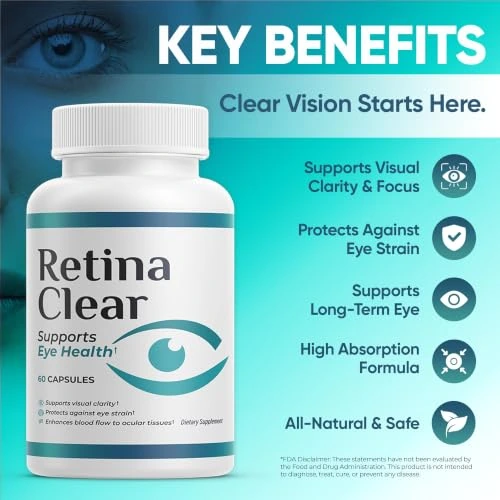
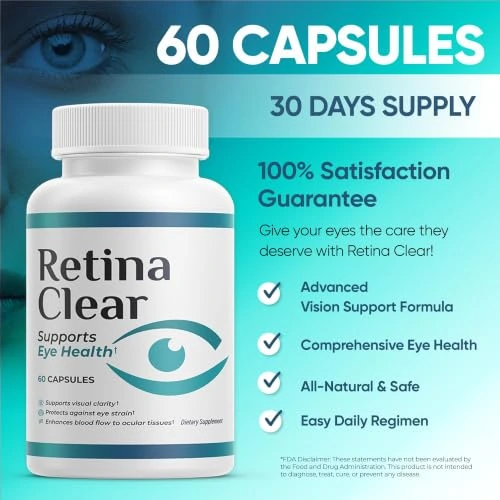
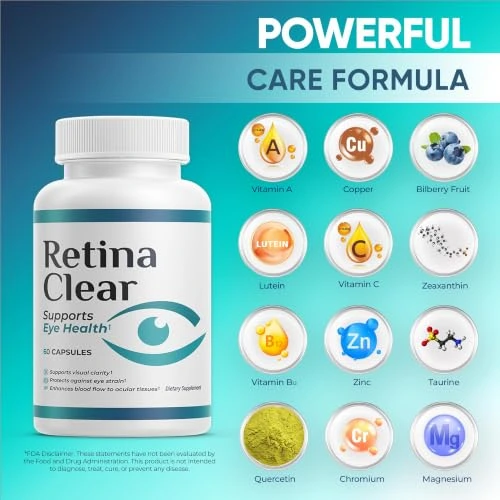
Hydration lays the foundation; nutrition builds on it. RetinaClear combines lutein, zeaxanthin and bilberry with vitamin A and a full spectrum of vision vitamins and minerals in one daily capsule — steady support as part of your routine, backed by a 60-day money-back guarantee.
See RetinaClear PackagesHow much water do your eyes need?
There is no single magic number that fits everyone, and your needs rise with heat, exercise and illness. A widely used general guide is around six to eight glasses of fluid a day, but the most practical check is simpler still: look at the colour of your urine. Pale straw suggests you are well hydrated; dark yellow suggests you need more. Water-rich foods count toward your total, so a diet full of fruit and vegetables does double duty. If you have a medical condition that affects how much you should drink, follow your doctor's guidance rather than a general rule.
Everyday habits that keep your eyes hydrated
Sip steadily, don't gulp
Spread your fluid through the day rather than drinking a lot at once. Keep a water bottle in view at your desk, and take a few sips at natural breaks — it is far easier to stay topped up than to catch up once you are already dry.
Eat your water
Foods like cucumber, tomatoes, melon, oranges, berries and leafy greens are largely water and count toward your hydration — while also supplying the vitamins and carotenoids the eyes rely on. It is a neat overlap with the best foods for eye health and vision: eat well and you hydrate and nourish your eyes at once.
Balance caffeine and alcohol
You do not have to give up your coffee, but balance caffeinated and alcoholic drinks with water, and be extra mindful on hot days or during exercise. This also supports better sleep, which your eyes depend on — see how lack of sleep affects your eyes.
Blink, and manage dry air
Blink fully and often, especially at screens, to spread whatever tears you have. Use a humidifier in dry or air-conditioned rooms, aim fans away from your face, and consider preservative-free lubricating drops when the air is harsh. Hydrating from the inside and protecting the surface from the outside work best together.
When blurry vision needs a professional
Dehydration-related blur typically clears once you rehydrate, rest and blink. But see an eye-care professional if your blurry vision:
- persists after you have rehydrated and rested;
- keeps returning or steadily worsens;
- affects one eye only;
- comes with pain, headache, halos, flashes, floaters or any loss of vision.
Persistent or fluctuating blurry vision can relate to your prescription, blood-sugar changes or other conditions that need assessment, and sudden or severe changes should always be checked promptly rather than assumed to be dehydration. If morning blur is your main issue, see why is my vision blurry in the morning for the overnight angle.
One capsule, a full vision blend
Pair good hydration with daily nutrient support — lutein, zeaxanthin, vitamin A and a full-spectrum formula, made in the USA in an FDA-registered, GMP-certified facility. Best value on the multi-bottle packs.
Order RetinaClear Today
Where a daily supplement fits
Water and food come first — no supplement replaces good hydration or a proper eye exam — but a stable tear film and a comfortable eye surface also depend on good all-round nutrition, and that is where a daily supplement plays a supporting role. Vitamin A helps maintain the surface of the eye and the mucous layer of the tear film; the carotenoids lutein and zeaxanthin support the macula, where fine detail is processed; and bilberry has a long traditional association with eye comfort. That is the everyday, nutrient-first idea behind RetinaClear: a once-daily capsule combining these with more than a dozen supporting vision vitamins and minerals to help fill dietary gaps. It is not a treatment for blurry vision or any condition, and it is no substitute for professional care — think of it as long-term support alongside good habits. For the wider routine, see daily habits to protect your eyesight naturally.
| Who we are | An independent team that researches and reviews everyday eye-health questions in clear, practical language. |
| How we work | Every guide is fact-checked against reputable eye-care sources and kept up to date. Read more about us. |
What the research says about hydration and the tear film
Tears are mostly water, and tear osmolarity — how concentrated the tear film has become — is the measurement that connects whole-body hydration to the comfort of the eye surface.
A 2021 study in Diagnostics looked directly at tear osmolarity in the diagnosis of systemic dehydration and dry eye disease, examining how well the tear film reflects hydration status (PMID 33668748). It is the clearest evidence that the link people assume between drinking and comfortable eyes has a measurable basis.
That measurement sits at the centre of how dry eye is defined. The TFOS DEWS II Definition and Classification Report names tear-film hyperosmolarity as a core mechanism of the disease (PMID 28736335), and the companion DEWS II Diagnostic Methodology report sets out where osmolarity testing fits among the clinical tests (PMID 28736342).
Water alone will not fix everything, though. The same unstable tear film explains why eyes feel dry and tired, can make bright light harder to tolerate — see why your eyes are sensitive to light — and is usually behind blurry vision in the morning.
FAQ
Can dehydration cause blurry vision?
Yes, it can. Your tears are mostly water, so when the body is short on fluid it makes fewer and lower-quality tears, and the eye surface dries out. A dry, unstable tear film scatters light and can leave vision blurry, hazy or tired, along with gritty, uncomfortable eyes. Rehydrating usually helps the picture sharpen.
What are the signs your eyes are dehydrated?
Common signs include dry, gritty or tired eyes, fluctuating or blurry vision, difficulty focusing at screens, eye fatigue and sometimes headache. These often come alongside general dehydration clues such as thirst, dark-coloured urine, dry mouth and tiredness. They usually ease as you rehydrate.
How much water should I drink for healthy eyes?
There is no single magic number, but a common general guide is around six to eight glasses of fluid a day, more in heat, during exercise or when unwell. A practical check is the colour of your urine — pale straw suggests you are well hydrated, while dark yellow suggests you need more. Water-rich foods count toward your total too.
Does drinking more water help dry eyes?
Staying well hydrated gives your body the fluid it needs to make a good tear film, so it supports comfortable eyes, especially if you tend to run short on water. Hydration alone will not fix every case of dry eye, which often also involves the oily layer of the tears, but it is a simple, foundational step that helps.
When should I see a doctor about blurry vision?
See an eye-care professional if blurry vision persists after you have rehydrated and rested, keeps returning, affects one eye, or comes with pain, headache, halos, flashes, floaters or any loss of vision. Sudden or severe changes in vision should always be checked promptly rather than assumed to be dehydration.
References
- Tear Osmolarity in the Diagnosis of Systemic Dehydration and Dry Eye Disease (Diagnostics, 2021 · PMID 33668748)
- TFOS DEWS II Definition and Classification Report (The Ocular Surface, 2017 · PMID 28736335)
- TFOS DEWS II Diagnostic Methodology report (The Ocular Surface, 2017 · PMID 28736342)
- National Eye Institute — Dry Eye
- NIH Office of Dietary Supplements — Vitamin A and Carotenoids fact sheet
- American Academy of Ophthalmology. “Dry Eye” and “Why Is My Vision Blurry?” aao.org.
- American Optometric Association. “Dry Eye” and “Computer Vision Syndrome.” aoa.org.
- National Eye Institute. “Dry Eye” and “How the Eyes Work.” nei.nih.gov.
- National Academies of Sciences, Engineering, and Medicine. “Dietary Reference Intakes for Water.” nationalacademies.org.
- National Institutes of Health, Office of Dietary Supplements. “Vitamin A and Carotenoids.” ods.od.nih.gov.
† These statements have not been evaluated by the Food and Drug Administration. This product is not intended to diagnose, treat, cure or prevent any disease. This article is for general information only and is not medical advice; consult a qualified eye-care professional about your individual needs.