How Does Smoking Affect Your Eyes and Vision? The Evidence
Independent guide · affiliate disclosure: RetinaClear.com is an independent publisher, not the manufacturer or seller. Some links on this page are affiliate links and we may earn a commission — at no extra cost to you — if you buy through them. This article is general information, not medical advice.
| Short-term | Smoke irritates the eyes and destabilises the tear film, leaving them drier, redder and more uncomfortable — for smokers and for those around secondhand smoke. |
| Long-term | Tobacco chemicals raise oxidative stress and reduce circulation to eye tissues; research links smoking with higher risk of several serious eye conditions. |
| What helps | Quitting is the single most protective step; avoid secondhand smoke, eat an antioxidant-rich diet, protect against UV, and keep up regular eye exams. |
| Good to know | Smokers should ask a doctor before taking high-dose beta-carotene specifically. |
| Do not wait it out | Smoking raises long-term risk, but sudden vision loss, a shadow across your sight or new flashes need urgent care today, whatever your smoking history. |
| Call emergency services | Sudden blurring or double vision alongside headache, weakness, facial droop or slurred speech can be a stroke. |
| Same-day eye assessment | Sudden loss of vision, a dark curtain or shadow across your sight, a burst of new flashing lights, a sudden shower of floaters, or severe eye pain. |
| Also urgent | Any blow to the eye, a penetrating injury or a chemical splash. Irrigate a chemical splash with clean water immediately, then get help. |
| Not a supplement question | None of the above is treated by a dietary supplement. RetinaClear is not a treatment, drug or cure for macular degeneration, glaucoma, cataract, diabetic retinopathy or any other eye disease. |
Most people connect smoking with the lungs and heart, but the eyes are among the organs it affects most — and often the ones people think about least. From the immediate sting and dryness of sitting in a smoky room to well-documented long-term risks, smoking affects your eyes and vision in ways worth understanding. The encouraging flip side is that your eyes are remarkably responsive to change: cutting down and quitting brings real benefits, often sooner than you would expect. This guide explains how smoking affects the eyes, how quitting helps, and the everyday habits and nutrients that support healthier eyes.
The immediate effects: irritation and dryness
Tobacco smoke is a direct irritant to the surface of the eye. Whether it is your own cigarette or someone else's, the smoke destabilises the tear film — the thin layer of moisture that keeps vision comfortable and clear — and speeds up how fast tears evaporate. The result is eyes that feel dry, gritty and irritated and often look red and watery. Smokers frequently report exactly the kind of end-of-day discomfort covered in why eyes feel dry and tired, and smoke is a classic trigger for the bloodshot look we describe in what causes red, bloodshot eyes. Many people are surprised how much their day-to-day eye comfort improves once they stop and stay out of smoky environments.
Why smoking is hard on eye tissue
Beyond surface irritation, the chemicals in tobacco smoke work against the eye in two important ways. First, they raise oxidative stress — an excess of unstable molecules called free radicals that can damage delicate tissues over time. The eye is particularly exposed to oxidative stress because it processes light all day, and it relies heavily on antioxidants to defend itself. Second, smoking affects circulation, narrowing blood vessels and reducing the flow of oxygen and nutrients to the fine tissues of the eye, including the retina at the back.
Smoking also depletes the body's stores of protective antioxidants, including vitamin C and the carotenoids that concentrate in the eye. In other words, it increases the damage while draining the very defences the eye uses to cope. That combination is why the long-term picture matters so much.
The long-term risks the research shows
A large body of research links smoking with a higher long-term risk of several serious eye conditions. Public-health and eye-care bodies consistently identify smoking as one of the most significant modifiable risk factors for age-related changes at the back of the eye, for clouding of the eye's natural lens, and for problems affecting the optic nerve and the eye's surface. Smokers also tend to develop these age-related changes earlier than non-smokers. This is population-level risk, not a certainty for any one person, and it is exactly the kind of risk that responds to change: the research also shows that stopping reduces risk over time.
Because these risks build gradually and quietly, the everyday irritation is really just the visible tip of the issue. The most valuable takeaway is a hopeful one — the single biggest thing you can do to protect your long-term vision, if you smoke, is to stop.
Does quitting help your eyes?
Yes — and it is never too late to benefit. The immediate irritation and dryness usually ease once you are no longer exposed to smoke, and over the longer term, quitting lowers your risk of the eye conditions associated with smoking. Circulation and antioxidant stores recover, and your eyes get the chance to defend and maintain themselves without the constant extra load. The sooner you stop, the greater the benefit, but people who quit at any age see their risk trend in the right direction. If you would like help, national quit-smoking services and your doctor or pharmacist can offer proven support.
Support your eyes' antioxidant defences
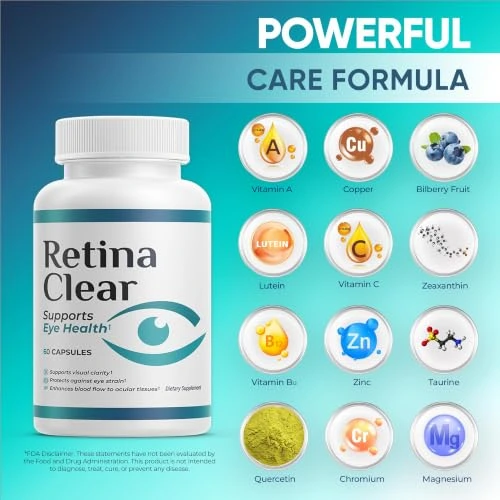
The eye leans on antioxidants to cope with everyday stress. RetinaClear brings lutein, zeaxanthin and bilberry together with vitamin A, vitamin C and a full spectrum of vision vitamins and minerals in one daily capsule — steady support as part of your routine, backed by a 60-day money-back guarantee.
See RetinaClear PackagesEveryday habits that support healthier eyes
Whether you have quit, are cutting down, or simply want to protect your eyes from smoke around you, these habits stack the odds in your favour.
Keep your air smoke-free
Make your home and car smoke-free zones. Secondhand smoke irritates the eyes and carries some of the same long-term risks, so reducing exposure protects your own eyes and those of everyone around you.
Eat an antioxidant-rich diet
Smoking depletes protective nutrients, so a colourful, whole-food diet becomes even more valuable. Leafy greens, brightly coloured vegetables, citrus fruit, berries, eggs and oily fish supply the carotenoids, vitamin C and healthy fats the eyes rely on — the full food-first picture is in the best foods for eye health and vision.
Protect against UV and keep up eye exams
UV light adds to the oxidative load on the eye, so pair a smoke-free life with proper sun protection — see how to protect your eyes from sun and UV damage. And keep up regular eye exams: because smoking-related changes build gradually, professional checks catch them early. This matters more with age, as we cover in age-related vision changes after 40.
A note for smokers on supplements
One important, well-established caution: people who smoke should talk to a doctor before taking high-dose beta-carotene, as studies have raised specific safety concerns for smokers with that nutrient at high doses. Many modern eye formulas — RetinaClear among them — use lutein and zeaxanthin rather than high-dose beta-carotene. As with any supplement, check with a healthcare professional about what is appropriate for you, especially if you smoke or have recently quit.
When to see a professional
Regular eye exams are the backbone of protecting your vision if you smoke or used to. Make an appointment sooner rather than later if you notice:
- a change in your vision, including new blur, distortion or missing patches;
- persistent dryness, redness or irritation that does not settle;
- new floaters or flashes of light;
- any eye pain or sudden change.
Early assessment gives you the best options, and your eye-care professional can advise on protecting your vision based on your own history.
One capsule, a full vision blend
Give your eyes daily antioxidant support with lutein, zeaxanthin, vitamin A, vitamin C and a full-spectrum formula, made in the USA in an FDA-registered, GMP-certified facility. Best value on the multi-bottle packs.
Order RetinaClear Today
Where a daily supplement fits
No supplement can undo smoking or replace quitting — that is the step that matters most — but healthy eyes depend on good all-round nutrition, and smoking makes those needs harder to meet. Vitamin A helps maintain the surface of the eye; vitamin C and the carotenoids lutein and zeaxanthin support the eye's antioxidant defences and the macula; and bilberry has a long traditional association with eye health. That is the everyday, nutrient-first idea behind RetinaClear: a once-daily capsule combining these with more than a dozen supporting vision vitamins and minerals to help fill dietary gaps. It is not a treatment for any condition and is no substitute for quitting, a healthy diet or professional care — think of it as long-term support alongside good habits. For the wider routine, see daily habits to protect your eyesight naturally.
| Who we are | An independent team that researches and reviews everyday eye-health questions in clear, practical language. |
| How we work | Every guide is fact-checked against reputable eye-care sources and kept up to date. Read more about us. |
What the research says about smoking and sight
Smoking is the strongest modifiable risk factor for the two commonest causes of sight loss in later life: age-related macular degeneration and cataract.
A 2025 systematic review and meta-analysis in Medicine updated the evidence on risk factors for age-related macular degeneration, with smoking sitting alongside age at the top of the list (PMID 39993131). For the lens, a meta-analysis of observational studies quantified the risk of cataract in smokers (PMID 30528895).
The more encouraging finding is what happens when people stop. A prospective cohort study published in JAMA Ophthalmology followed cataract extraction among men and examined smoking cessation and the risk of cataract, showing that risk falls after quitting, though slowly and in proportion to how much was smoked (PMID 24385206). That is the strongest argument on this page, and it is not an argument for a supplement.
Alongside quitting, the ordinary measures still matter: the routine in daily habits to protect your eyesight naturally, the plate described in the best foods for eye health and vision, and dealing with the immediate irritation that smoke causes, covered in why your eyes feel dry and tired.
FAQ
How does smoking affect your eyes?
Smoke irritates the eye surface and disrupts the tear film, so smokers and people around secondhand smoke often have drier, redder, more irritated eyes. Beyond that, the chemicals in tobacco smoke raise oxidative stress and reduce circulation to delicate eye tissues, and research links smoking with a higher long-term risk of several serious eye conditions.
Can smoking make dry eye worse?
Yes. Tobacco smoke is a direct irritant that destabilises the tear film and dries the eye surface, both for the smoker and for people exposed to secondhand smoke. Many people notice their dry, gritty, red-eye symptoms ease when they cut down or quit and avoid smoky environments.
Does quitting smoking help your eyes?
Quitting is one of the most protective things you can do for your eyes. The immediate irritation and dryness usually improve, and stopping reduces your long-term risk of the eye conditions associated with smoking. It is never too late to benefit, and the sooner you stop, the better for your eyes and the rest of your body.
Does secondhand smoke affect the eyes?
Yes. Being around tobacco smoke irritates the eyes and dries the tear film, causing redness, watering and discomfort, and passive exposure carries some of the same long-term risks. Keeping your home and car smoke-free protects your own eyes and those of the people around you.
Should smokers be careful with eye supplements?
People who smoke should talk to a doctor before taking high-dose beta-carotene, because studies have raised safety concerns for smokers with that specific nutrient at high doses. Many modern eye formulas instead use lutein and zeaxanthin. As with any supplement, check with a healthcare professional about what is right for you.
References
- Risk factors for age-related macular degeneration: Updated systematic review and meta-analysis (Medicine (Baltimore), 2025 · PMID 39993131)
- Risk of cataract in smokers: A meta-analysis of observational studies (Archivos de la Sociedad Espanola de Oftalmologia, 2019 · PMID 30528895)
- Smoking cessation and the risk of cataract: a prospective cohort study of cataract extraction among men (JAMA Ophthalmology, 2014 · PMID 24385206)
- National Eye Institute — Keep Your Eyes Healthy
- NIH Office of Dietary Supplements — Vitamin C fact sheet
- American Academy of Ophthalmology. “How Smoking Affects Your Eyes.” aao.org.
- National Eye Institute. “Smoking and Eye Disease.” nei.nih.gov.
- Centers for Disease Control and Prevention. “Smoking and Vision Loss” and “Quitting Smoking.” cdc.gov.
- National Institutes of Health, Office of Dietary Supplements. “Vitamin A, Vitamin C and Carotenoids.” ods.od.nih.gov.
† These statements have not been evaluated by the Food and Drug Administration. This product is not intended to diagnose, treat, cure or prevent any disease. This article is for general information only and is not medical advice; consult a qualified eye-care professional about your individual needs.