What Causes Red, Bloodshot Eyes? Causes and How to Soothe
Independent guide · affiliate disclosure: RetinaClear.com is an independent publisher, not the manufacturer or seller. Some links on this page are affiliate links and we may earn a commission — at no extra cost to you — if you buy through them. This article is general information, not medical advice.
| What redness is | The tiny blood vessels on the surface of the eye widen and become more visible, giving that bloodshot look. |
| Common causes | Dryness, tiredness and poor sleep, long screen time, allergies, smoke and irritants, rubbing, contact-lens overwear and alcohol. |
| What helps | Rest and sleep, screen breaks, lubricating drops, a cool compress, no rubbing, and avoiding smoke and dry air. |
| See a professional | If redness comes with pain, light sensitivity, blurred vision, discharge, or follows an eye injury. |
| A red eye that is urgent | Redness with eye pain, light sensitivity, blurred vision, thick discharge, or after an injury or chemical splash needs same-day professional care. |
| Call emergency services | Sudden blurring or double vision alongside headache, weakness, facial droop or slurred speech can be a stroke. |
| Same-day eye assessment | Sudden loss of vision, a dark curtain or shadow across your sight, a burst of new flashing lights, a sudden shower of floaters, or severe eye pain. |
| Also urgent | Any blow to the eye, a penetrating injury or a chemical splash. Irrigate a chemical splash with clean water immediately, then get help. |
| Not a supplement question | None of the above is treated by a dietary supplement. RetinaClear is not a treatment, drug or cure for macular degeneration, glaucoma, cataract, diabetic retinopathy or any other eye disease. |
You glance in the mirror and the whites of your eyes are laced with red. Maybe they feel gritty, tired or itchy too, or maybe they look worse than they feel. Red, bloodshot eyes are one of the most common reasons people worry about their eyes — and in the vast majority of cases the cause is something everyday and harmless. Redness is a signal, not a diagnosis: it tells you the surface of your eye is irritated, tired or reacting to something. This guide explains what causes bloodshot eyes, how to soothe them, and the warning signs that mean it is time to see a professional.
Why eyes look red in the first place
The white of your eye is covered by a clear, thin membrane called the conjunctiva, and running through it is a fine network of blood vessels. Normally these vessels are so small you barely notice them. When the eye is irritated, tired or reacting to something, those vessels widen to bring more blood to the surface — and once they widen, they become far more visible against the white. That is the “bloodshot” look: not new blood vessels, just existing ones dilating and showing up. Because so many different things can trigger that response, redness is best understood by working out what set it off.
What causes red, bloodshot eyes: the common triggers
1. Dryness and an unstable tear film
This is one of the most common causes of chronically red eyes. When the tear film is poor quality or evaporates too fast, the surface of the eye dries out and becomes irritated, and the surface vessels widen in response. The result is eyes that look red and feel gritty, tired or scratchy, often worse by the end of the day or after screens. Because dryness is so often behind the redness, our guide to why eyes feel dry and tired is frequently the key to calmer, whiter-looking eyes.
2. Tiredness and lack of sleep
Short on sleep and your eyes show it. Sleep is when the eyes rest and the tear film is replenished; skimp on it and the surface dries and reddens, and the whole eye looks fatigued. A late night, a red-eye flight or a stretch of broken sleep will leave most people bloodshot the next morning. We look at this connection in detail in how lack of sleep affects your eyes.
3. Screens and infrequent blinking
Long stretches at a computer, phone or tablet cut your blink rate by half or more. Fewer blinks means the tear film breaks up and the surface dries, and dry, strained eyes turn red. If your eyes are worst after a workday at the screen, better screen habits usually make the biggest difference — see how to reduce eye strain from screens for a full routine.
4. Allergies
Pollen, dust mites, pet dander and mould can trigger an allergic response that leaves the eyes red, itchy, watery and a little puffy, usually in both eyes. Allergic redness tends to follow a pattern — a particular season, a particular room or contact with a pet — and the itching is often the giveaway. Rubbing itchy eyes makes the redness worse, so it becomes a cycle worth breaking.
5. Smoke, chlorine and other irritants
Cigarette smoke, wood smoke, air pollution, chlorinated pool water, dust, fumes and strong cleaning products all irritate the eye surface directly and widen the surface vessels. Smokers and people around secondhand smoke tend to have redder, drier eyes; we cover the wider picture in how smoking affects your eyes and vision.
6. Contact-lens overwear
Wearing contact lenses too long, sleeping in them, or not keeping them clean deprives the cornea of oxygen and dries the surface, leaving eyes red and irritated. Persistently red eyes in a lens wearer are a clear sign to cut back wearing time, refresh your lens hygiene, and give your eyes regular lens-free breaks.
7. Rubbing, alcohol and crying
Rubbing your eyes irritates the surface and widens the vessels; alcohol dilates blood vessels throughout the body, eyes included, and is also dehydrating; and a good cry floods and reddens the eyes for a while. All are temporary and settle on their own.
8. A burst surface blood vessel
Sometimes one eye develops a bright red patch on the white with no pain and no change in vision. This is usually a subconjunctival haemorrhage — a tiny surface vessel that has burst, sometimes after a cough, sneeze, strain or rub. It looks alarming but is generally harmless and clears on its own over a week or two. If it comes with pain or vision changes, or keeps happening, have it checked.
9. Infection or inflammation
Conjunctivitis (“pink eye”) and other infections or inflammation can make eyes red, often with discharge, crusting, itching, grittiness or light sensitivity. These are the cases that benefit from professional assessment, especially if redness is worsening, sticky, painful or affecting your vision.
Support calm, comfortable eyes from within
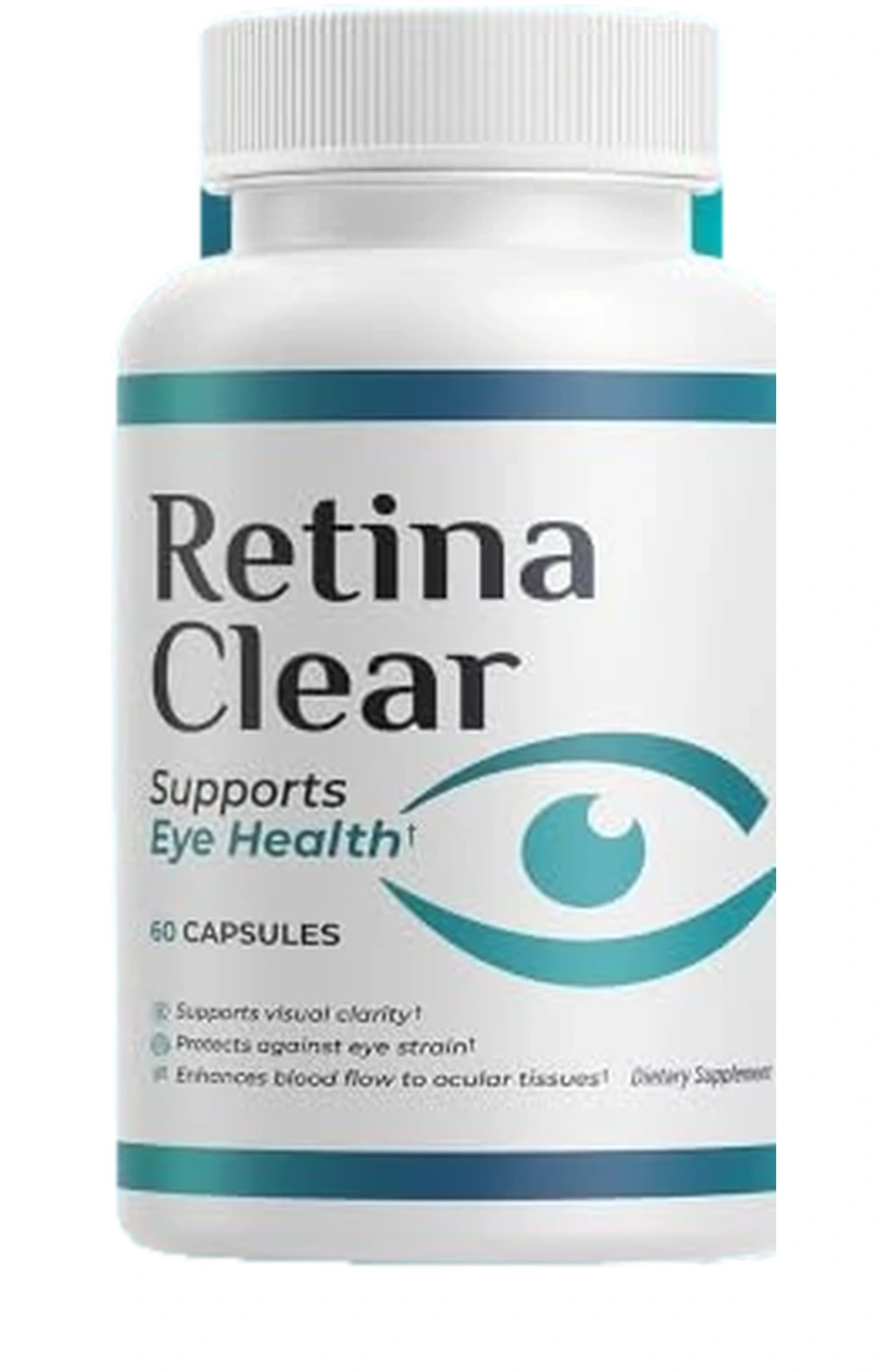
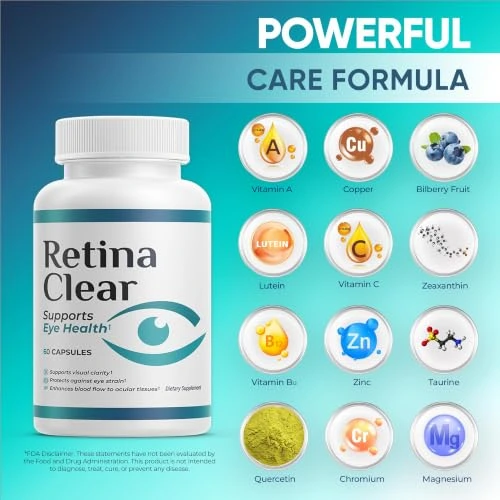
Whiter, calmer-looking eyes start with a healthy, well-nourished surface. RetinaClear brings lutein, zeaxanthin and bilberry together with vitamin A and a full spectrum of vision vitamins and minerals in one daily capsule — steady support as part of your routine, backed by a 60-day money-back guarantee.
See RetinaClear PackagesHow to soothe red, bloodshot eyes
Because redness so often traces back to a dry, tired or irritated surface, the everyday remedies are simple. Match the step to the cause and most people see real improvement.
Rest your eyes — and get some sleep
The most underrated remedy is rest. Take a genuine break from screens, close your eyes for a few minutes, and prioritise a good night's sleep. Well-rested eyes are simply less red, and a single good night often does more than any drop.
Re-wet the surface with lubricating drops
If dryness is behind the redness, preservative-free lubricating drops rebuild a more stable tear film and calm the irritated surface. Choose lubricating drops over “get-the-red-out” whitening drops for everyday use: whitening drops constrict the vessels temporarily but can lead to a rebound of even redder eyes with frequent use.
Cool compress and no rubbing
A cool, damp cloth held gently on closed lids for a few minutes can soothe surface redness and itching, especially with allergies. And however tempting, resist rubbing — it irritates the surface, spreads allergens and makes redness worse.
Manage allergies and avoid irritants
Reduce exposure to your triggers, rinse the eyes with a clean saline, use a cool compress, and ask a pharmacist or doctor about suitable antihistamine options. Keep away from smoke, keep indoor air from getting too dry, and wear goggles in chlorinated pools. If you wear contacts, cut back wear time and keep them scrupulously clean.
Look after overall eye health
A comfortable, well-nourished eye surface reddens less easily. A colourful, whole-food diet supplies the vitamins and healthy fats the eyes rely on — see the best foods for eye health and vision — and staying well hydrated helps your body make a good tear film in the first place, as we explain in can dehydration cause blurry vision.
When red eyes need a professional
Most bloodshot eyes come from the everyday causes above and settle with simple care. But see an eye-care professional promptly if the redness comes with any of the following:
- eye pain or a strong foreign-body sensation;
- light sensitivity, or blurred vision or vision loss;
- thick, coloured or persistent discharge or crusting;
- redness that follows an injury or a chemical splash;
- redness in one eye that does not improve, or that keeps returning.
These can point to an infection, inflammation or another problem that benefits from prompt treatment. When in doubt, it is always reasonable to get red eyes checked rather than wait.
One capsule, a full vision blend
Support comfortable, healthy-looking eyes every day with lutein, zeaxanthin, vitamin A and a full-spectrum formula, made in the USA in an FDA-registered, GMP-certified facility. Best value on the multi-bottle packs.
Order RetinaClear Today
Where a daily supplement fits
A supplement will not treat an infection or replace lubricating drops, but calmer, more comfortable eyes depend on good all-round eye health, and that is where daily nutrition plays a supporting role. Vitamin A helps maintain the surface of the eye and the mucous layer of the tear film; the carotenoids lutein and zeaxanthin support the macula; and bilberry has a long traditional association with eye comfort. That is the everyday, nutrient-first idea behind RetinaClear: a once-daily capsule combining these with more than a dozen supporting vision vitamins and minerals to help fill dietary gaps. It is not a treatment for red eyes or any condition, and it is no substitute for professional care — think of it as long-term support alongside good habits. For the bigger picture, see daily habits to protect your eyesight naturally.
| Who we are | An independent team that researches and reviews everyday eye-health questions in clear, practical language. |
| How we work | Every guide is fact-checked against reputable eye-care sources and kept up to date. Read more about us. |
What the research says about the red eye
Redness is a sign, not a diagnosis: the surface vessels of the eye dilate in response to dryness, irritation, allergy or infection, and telling those apart is the whole clinical job.
A review in The American Journal of Medicine on management of the red eye for the primary care physician lays out that sorting process and the features that separate a benign red eye from one that needs referral (PMID 16564769). A Primary Care review of conjunctivitis covers the infective and allergic causes in more detail, including when antibiotics are and are not indicated (PMID 26319341).
The commonest chronic cause is duller than either. The TFOS DEWS II Definition and Classification Report describes dry eye disease as a multifactorial disease of the ocular surface with loss of tear-film homeostasis at its centre (PMID 28736335) — and an irritated, under-lubricated surface is the most frequent reason for eyes that are quietly red day after day.
Redness rarely arrives alone. If bright rooms bother you as well, read why your eyes are sensitive to light; if the redness comes with constant watering, why your eyes water so much explains the paradox.
FAQ
What causes red, bloodshot eyes?
Redness happens when the tiny blood vessels on the surface of the eye widen and become more visible. The most common everyday triggers are dryness, tiredness and lack of sleep, long screen sessions, allergies, irritants such as smoke or chlorine, rubbing, contact-lens overwear and alcohol. Most of these are harmless and settle with rest and simple care.
How do I get rid of bloodshot eyes fast?
Rest your eyes, take a break from screens, and use preservative-free lubricating drops if dryness is the cause. A cool compress on closed lids can calm surface redness, and avoiding rubbing, smoke and alcohol helps. Remove contact lenses and give your eyes a break. Sleep is one of the most effective remedies of all.
Are bloodshot eyes a sign of something serious?
Usually not — most red eyes come from everyday causes and clear on their own. See a professional if redness comes with eye pain, light sensitivity, blurred vision or vision loss, thick discharge, redness after an injury, or if it stays in one eye and does not improve. These can point to infection or inflammation that needs attention.
Why is the white of one eye suddenly bright red?
A bright red patch on the white of one eye, with no pain and normal vision, is often a subconjunctival haemorrhage — a small surface blood vessel that has burst, sometimes after a cough, sneeze or strain. It looks dramatic but is usually harmless and clears on its own over a couple of weeks. If it comes with pain or vision changes, have it checked.
Can dry eyes make your eyes look red?
Yes. When the eye surface dries out and becomes irritated, the surface blood vessels widen in response, giving a red, tired look. This is one of the most common reasons for chronically bloodshot eyes, especially after screens or in dry air, and treating the underlying dryness usually calms the redness.
References
- Management of the red eye for the primary care physician (The American Journal of Medicine, 2006 · PMID 16564769)
- Conjunctivitis (Primary Care, 2015 · PMID 26319341)
- TFOS DEWS II Definition and Classification Report (The Ocular Surface, 2017 · PMID 28736335)
- National Eye Institute — Dry Eye
- NIH Office of Dietary Supplements — Vitamin A and Carotenoids fact sheet
- American Academy of Ophthalmology. “Why Are My Eyes Red?” and “Subconjunctival Hemorrhage.” aao.org.
- American Optometric Association. “Conjunctivitis” and “Dry Eye.” aoa.org.
- National Eye Institute. “Pink Eye” and “Dry Eye.” nei.nih.gov.
- National Institutes of Health, Office of Dietary Supplements. “Vitamin A and Carotenoids.” ods.od.nih.gov.
† These statements have not been evaluated by the Food and Drug Administration. This product is not intended to diagnose, treat, cure or prevent any disease. This article is for general information only and is not medical advice; consult a qualified eye-care professional about your individual needs.